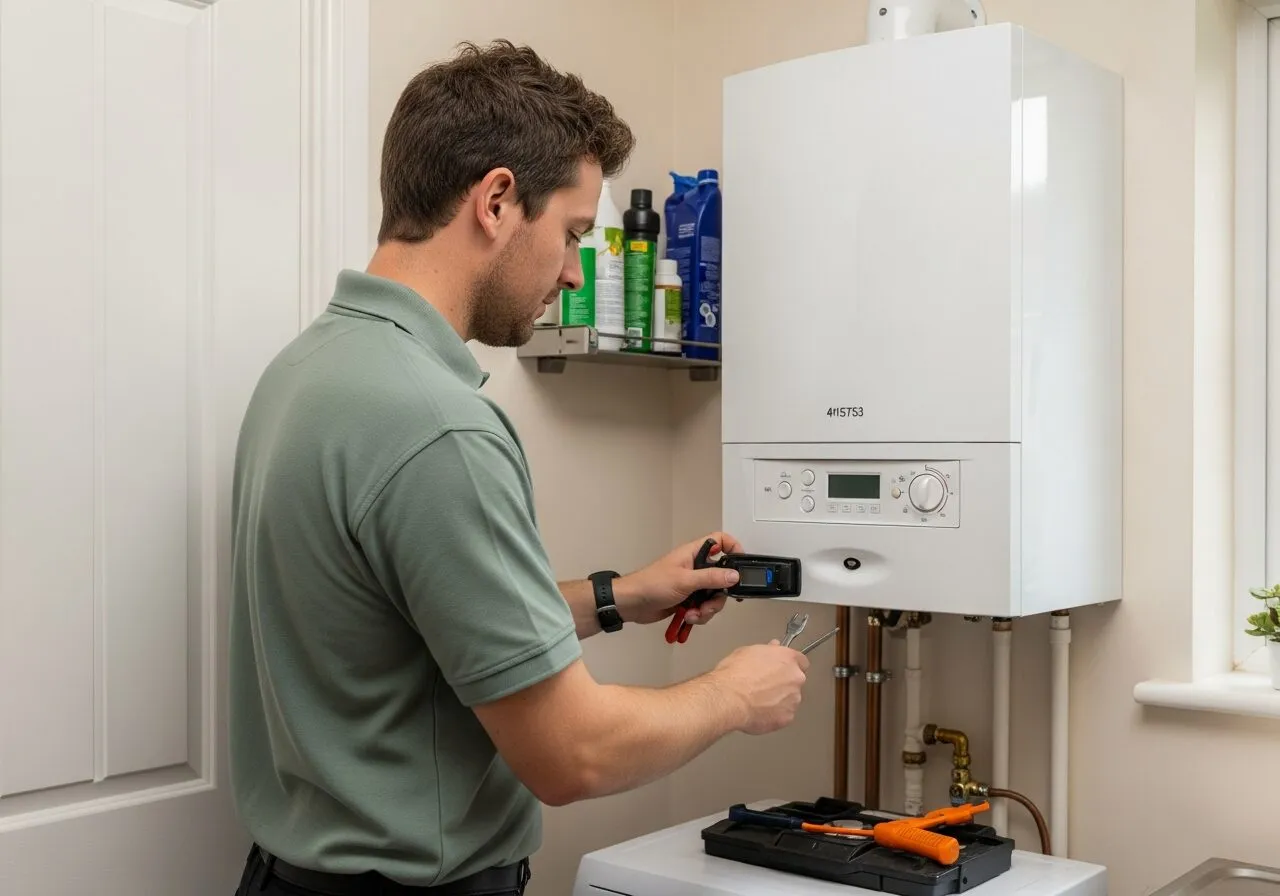
A drain smell indoors or just outside the house is unpleasant, but it is also useful information. In many cases, the smell comes from a simple issue such as a dry trap, a dirty gully or stagnant waste sitting where it should be flowing away.
For homeowners in London and Surrey, the cause is not always straightforward. Older pipework, period terraces, flat conversions, compact gardens and limited access around rear drains can all make odours harder to track, and a smell after rain may point to a different problem from a smell that is there all the time.
The key is to work methodically. Start with the common, low-risk checks, note when and where the smell appears, and act quickly if there are signs of leaks, blockages or possible pipe damage.
Start with traps, the most common cause
Most internal drain smells are caused by a trap that is not holding water properly. The trap is the curved section under a basin, sink, bath or shower that creates a water seal between your home and the drainage system.
If a fixture is rarely used, the water in the trap can evaporate and let sewer gases through. This is common in spare bathrooms, utility rooms, loft en suites and rental properties left empty between occupancies.
A trap can also smell if it is dirty, partially blocked or fitted incorrectly. Hair, soap residue, grease and limescale can collect inside, and hard water in parts of London and Surrey often makes this build-up worse over time.
- Run water for a minute in any sink, shower, bath or floor drain that is not used often.
- Clean plugholes and wastes to remove hair, soap residue and grease near the opening.
- Check under sinks for slow drips, loose fittings or signs that the trap has been disturbed.
- Notice whether the smell gets worse when you use another appliance, such as a washing machine, which can suggest poor venting or the trap being pulled empty.
Check outside gullies and drain covers
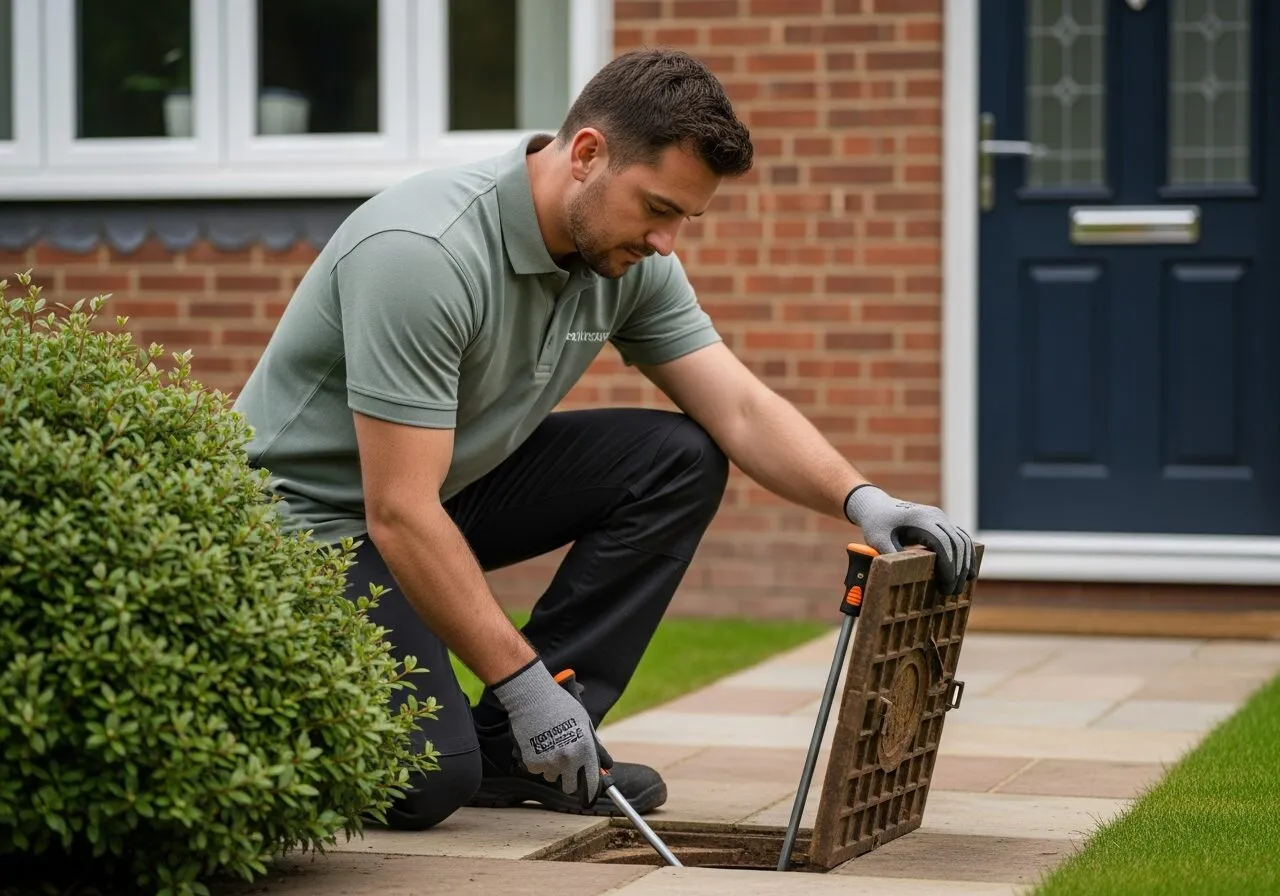
If the smell is strongest near a back door, side return, patio or small garden, inspect the outside gully first. These trapped gullies take wastewater from kitchens, bathrooms or washing machines, and they can smell if they are full of debris, grease, silt or standing water.
In London and Surrey homes with compact outdoor space, gullies are often tucked behind bins, planters or extensions and can be missed for months. Leaf build-up, garden waste and general neglect are common reasons for odours outdoors.
- Lift any accessible gully grating and remove visible leaves, silt and waste by hand while wearing gloves.
- Flush with a bucket of clean water to see whether it drains freely or backs up.
- Look for stagnant water, fat deposits, black sludge or obvious cracks around the gully.
- Check whether rainwater is carrying soil and debris into the area from beds, borders or broken paving.
Why smells often appear after rain
A bad odour that appears after rainfall usually points to an outdoor drainage issue rather than a trap inside the house. Rain can stir up deposits in a partially blocked drain, raise water levels in inspection chambers or expose defects in old pipework and joints.
This is particularly relevant in older and period housing stock, where drains may have been altered over decades or where extensions and flat conversions have changed how waste and rainwater systems connect. If the smell arrives only in wet weather, make a note of where it is strongest and whether any drain is slow or overflowing at the same time.
- Check accessible drain covers after rain for surcharging, high water levels or slow movement.
- Notice whether the smell is outdoors only or also coming back through a downstairs sink or shower.
- Look for puddling near gullies, manholes or boundary lines that does not clear normally.
- Ask neighbours in a terrace or conversion whether they have noticed similar smells, as shared runs can affect more than one property.
When the smell may mean damage
Not every drain odour is just a cleaning issue. A persistent smell, especially one combined with damp ground, repeated blockages, gurgling fixtures or visible leaks, can indicate a cracked pipe, a failed joint, poor venting or a blocked section further along the run.
In older London and Surrey properties, movement in the ground, ageing materials and previous repairs can all play a part. Terraced houses and converted flats can be harder to diagnose because pipework may run through confined voids, shared areas or extensions where faults are not visible.
If the smell is strong, recurring or linked to sewage backing up, do not keep pouring chemicals down the drain. Repeated chemical use can be ineffective, may damage some components and often delays finding the real fault.
- Call a professional if several fixtures smell at once, drains are slow across the property or waste is backing up.
- Seek help if you can smell sewage near the house wall, under floor level or around an inspection chamber.
- Act quickly if you see sinkholes, soft ground, unexplained damp patches or water marks around pipe routes.
- If access is tight due to on-street parking, rear alleys or enclosed gardens, mention this when booking so the visit can be planned properly.
What you can do now, and when to get help
For a one-off smell from a little-used fixture, a simple top-up of the trap and a careful clean may be enough. For an outside odour, basic clearing around a gully is a sensible first step if it is safe and accessible.
If the smell returns, affects more than one drain or appears after rain, treat it as a sign that the system needs a proper check. Keeping a short note of when the odour appears, which fixtures are affected and whether weather makes a difference can save time when the fault is being traced.
CS Services covers London and Surrey and can advise on drainage issues ahead of launch, with enquiries welcome now. Drainage is a coming soon service, with published rates from £150 per hour, no call-out fee, a 1-hour minimum charge and the price agreed before work begins.
Key Takeaways
- A dry or dirty trap is the most common source of indoor drain smells.
- Outside gullies often smell because of debris, grease, sludge or standing water.
- Odours after rain can point to partial blockages or defects in older drainage runs.
- Persistent smells with slow drainage, leaks or damp ground may indicate damage.
- Start with safe checks, but get professional help if the smell keeps coming back.
Frequently Asked Questions
Why does my bathroom drain smell even when it is not blocked?
A bathroom drain can smell even if water still drains away. The usual causes are a dry trap, hair and soap build-up inside the waste, or a trap that is being pulled empty because of a venting issue elsewhere in the system.
Is it safe to pour bleach or drain cleaner down a smelly drain?
Occasional cleaning may reduce surface odours, but strong chemicals are not a reliable fix for recurring smells. If the cause is a dry trap, a damaged pipe or a blockage further along the line, chemicals will not solve it and may make diagnosis harder.
Why do my drains smell worse after heavy rain?
Rain can disturb waste deposits in partially blocked drains, raise levels in chambers and reveal faults in older pipework or joints. If the smell only appears in wet weather, that pattern is useful and should be mentioned when seeking advice.
Can a bad drain smell mean a broken pipe?
Yes. A persistent odour combined with recurring blockages, damp patches, gurgling fixtures, soft ground or sewage backing up can point to a cracked pipe, failed joint or another defect that needs professional investigation.
What should I check first if I notice a drain smell in my kitchen?
Start with the sink trap and waste. Clean the plughole, run water to make sure the trap is full, and check under the sink for leaks, loose fittings or signs of build-up. If the smell remains, inspect the outside gully if the kitchen waste runs there.