
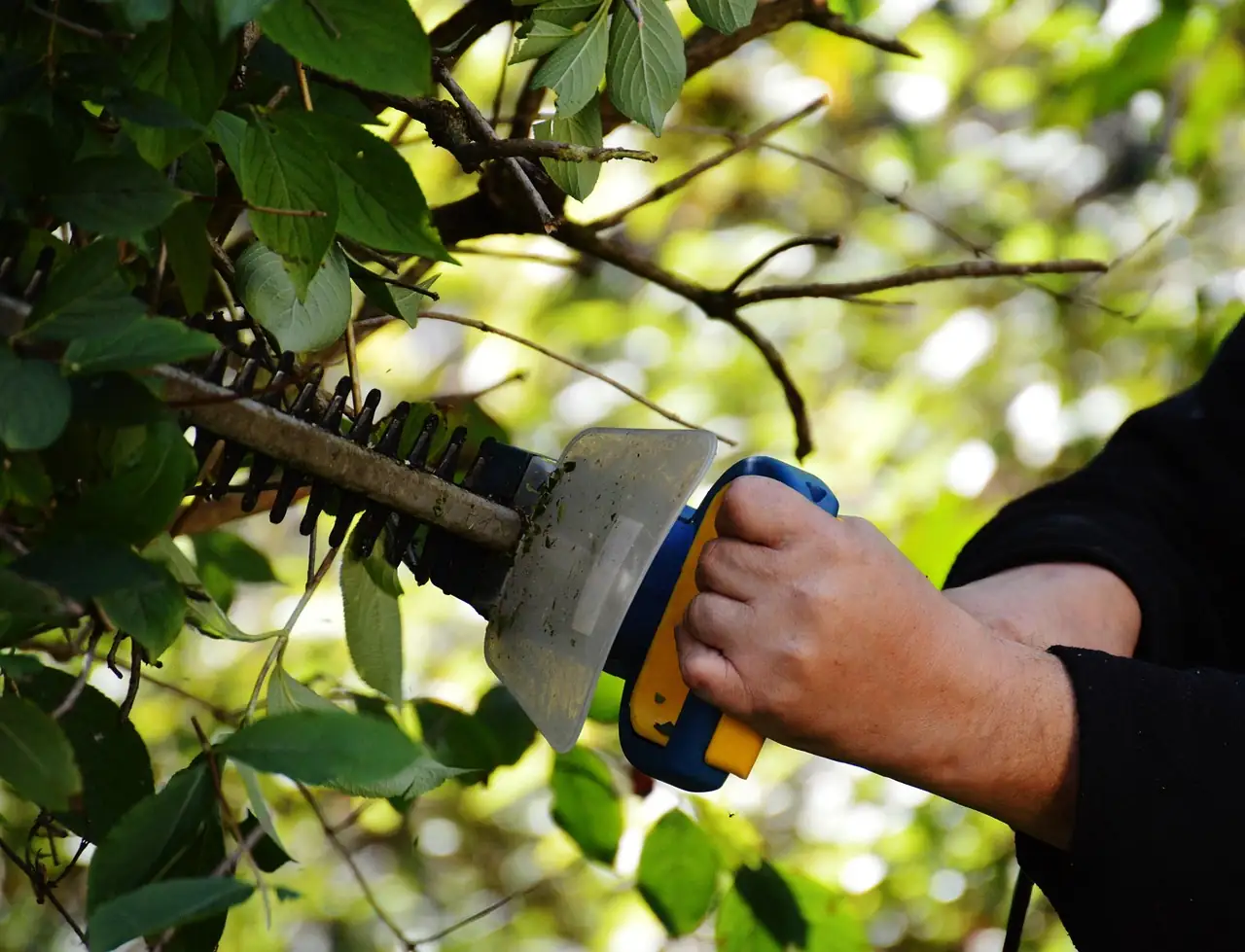
Many homeowners ask the same question each spring: can I cut my hedge now, or do I need to wait. The short answer is that you must not cut a hedge if doing so would disturb active bird nests, and that risk is highest during the main nesting season.
For London and Surrey properties, hedge work is not always straightforward. Small gardens, shared boundaries, narrow side access, on-street parking and older plots with long-established shrubs can all make hedge maintenance harder to plan, especially if a hedge has been left too long.
This guide sets out the practical rules, what to check before you start, when different hedge types are best cut, and how to deal with an overgrown hedge without creating a bigger problem.
What the nesting season rules actually mean
There is no single law that says all hedge cutting is banned on fixed calendar dates for every homeowner. The key point is that wild birds, their nests and active nesting sites are legally protected, so you must not carry out work that would disturb nesting birds or damage or destroy an active nest.
In practice, the highest-risk period is usually from March to August, though some birds can start earlier or nest later depending on weather and local conditions. In built-up parts of London and Surrey, surprisingly dense nesting activity can happen in small rear gardens, boundary hedges beside alleyways, and mature evergreen screening around period houses and conversions.
That means the sensible approach is not to rely only on the month. You need to assess the hedge in front of you, because a quiet-looking hedge can still contain an active nest.
How to check a hedge before you cut
A proper check should be done before any trimming, even for light shaping. Do not assume that because you cannot see a nest from the outside, there is nothing inside.
Start with a visual inspection from both sides if you have access. Watch the hedge for a few minutes rather than rushing in straight away, as repeated bird movement into one spot is often the clearest sign of nesting.
- Look for birds flying in and out of the same section of hedge.
- Listen for chirping concentrated in one area rather than general garden noise.
- Check for nesting material, droppings or obvious hidden cavities within the growth.
- Avoid pushing hands or tools deep into the hedge if you are unsure.
- If you find or suspect an active nest, postpone the work in that area and leave it undisturbed.
What you can safely do yourself and when to stop
If there is no sign of nesting activity, a light trim of accessible growth may be manageable for a homeowner. This is most realistic on low, well-maintained hedges where you can clearly see the outer face and work from stable ground without leaning over fences or steps.
Stop and rethink the job if the hedge is tall, wide, thorny, close to a pavement or road, or has growth tangled through wires, trellis, sheds or neighbouring fences. Many London and Surrey homes have tight gardens and awkward access, so even a simple hedge can be difficult to cut safely and clear efficiently.
You should also pause if cutting hard would leave bare patches, expose old dead wood, or change privacy between neighbouring gardens too abruptly. In these cases, staged work is usually better than one severe cut.
Best timing by hedge type
Different hedges respond differently to pruning. The right timing depends on whether the hedge is formal or informal, evergreen or deciduous, and whether it flowers on old growth.
As a general rule, major reshaping is best planned outside the main bird nesting period and during the hedge's suitable pruning window. Light maintenance may be possible at other times, but only after checking carefully for nests.
- Privet: usually responds well to regular trimming through the growing season, but avoid any cutting if birds are nesting.
- Laurel: often benefits from trimming in late summer or early autumn; heavy cutting can leave obvious damage if timed badly.
- Yew: usually best trimmed in late summer; it can tolerate firmer pruning than many hedges, but not all at once if badly overgrown.
- Leylandii and other conifers: keep on top of them with regular cuts, as cutting back into old brown wood may not recover well.
- Beech and hornbeam: often shaped in late summer to help keep a neat screen through winter.
- Flowering hedges: if the hedge flowers in spring, pruning straight after flowering is often better than cutting before blooms have finished.
How to reduce an overgrown hedge in stages
An overgrown hedge usually should not be taken down to size in one aggressive session. Sudden hard reduction can stress the plants, create long bare sections, reduce privacy at once, and produce more waste than a small urban garden can handle.
A staged approach is usually more practical. This matters on London and Surrey properties where side returns are narrow, green waste storage is limited and access for removing clippings may need planning around parked cars or shared drives.
- Start by removing only the current season's excess growth and restoring a clear outline.
- Reduce height and width over more than one visit or season where the species allows.
- Keep the hedge slightly narrower at the top than the base so light reaches lower growth.
- Clear ivy, self-seeded saplings and dead material separately before major shaping.
- If the hedge sits on a boundary, speak to the neighbour before changing height or line.
When to bring in a professional
Professional help makes sense where there is any uncertainty over nesting activity, access, height, waste removal or the long-term health of the hedge. It is also the better option if the hedge borders a public footpath, creates visibility issues near a drive, or has not been maintained for several years.
CS Services covers London and Surrey and can provide bespoke, no-obligation garden quotes agreed before work starts. Garden work is quoted per job rather than by the hour, which is useful for hedge work where access, waste volume and the amount of reduction needed can vary a lot from one property to another.
Key Takeaways
- Do not cut any hedge if birds are actively nesting in it.
- March to August is the main risk period, but nests can appear outside those months.
- Always inspect the hedge properly before trimming, even for light shaping.
- Major reductions are usually better outside nesting season and often need staging.
- Overgrown, tall or awkward hedges are usually best handled professionally.
Frequently Asked Questions
Can I cut my hedge in spring?
Possibly, but only if there is no active nest and no risk of disturbing nesting birds. Spring is one of the highest-risk times, so check carefully before doing any work.
Is hedge cutting banned from March to August?
Not as a simple blanket rule for every domestic hedge. The legal issue is disturbing nesting birds or damaging an active nest, which is why that period needs extra caution.
What if I start cutting and then find a nest?
Stop work straight away and leave that area undisturbed. Do not try to move the nest or finish around it if that would disturb the birds.
Can I cut a neighbour-facing hedge without speaking to them?
You may be able to cut growth on your side, but it is sensible to speak to your neighbour first if the work will alter privacy, shape or boundary appearance. This is especially important with shared rear gardens and tight plots.
What is the best month to cut an overgrown hedge?
There is no single best month for every hedge. The safest answer depends on the species, whether birds are nesting, and how severe the reduction needs to be, but major work is usually better planned outside the main nesting season.