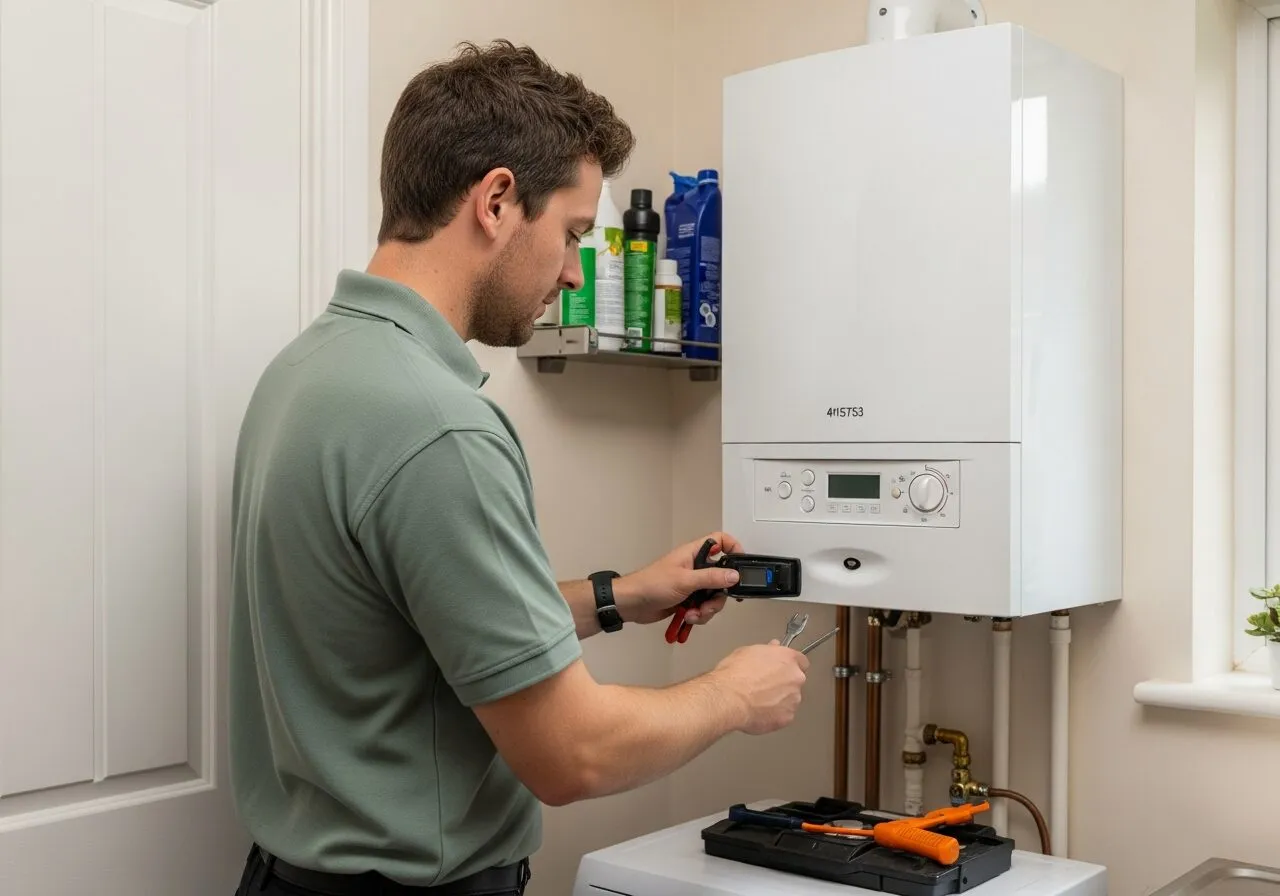
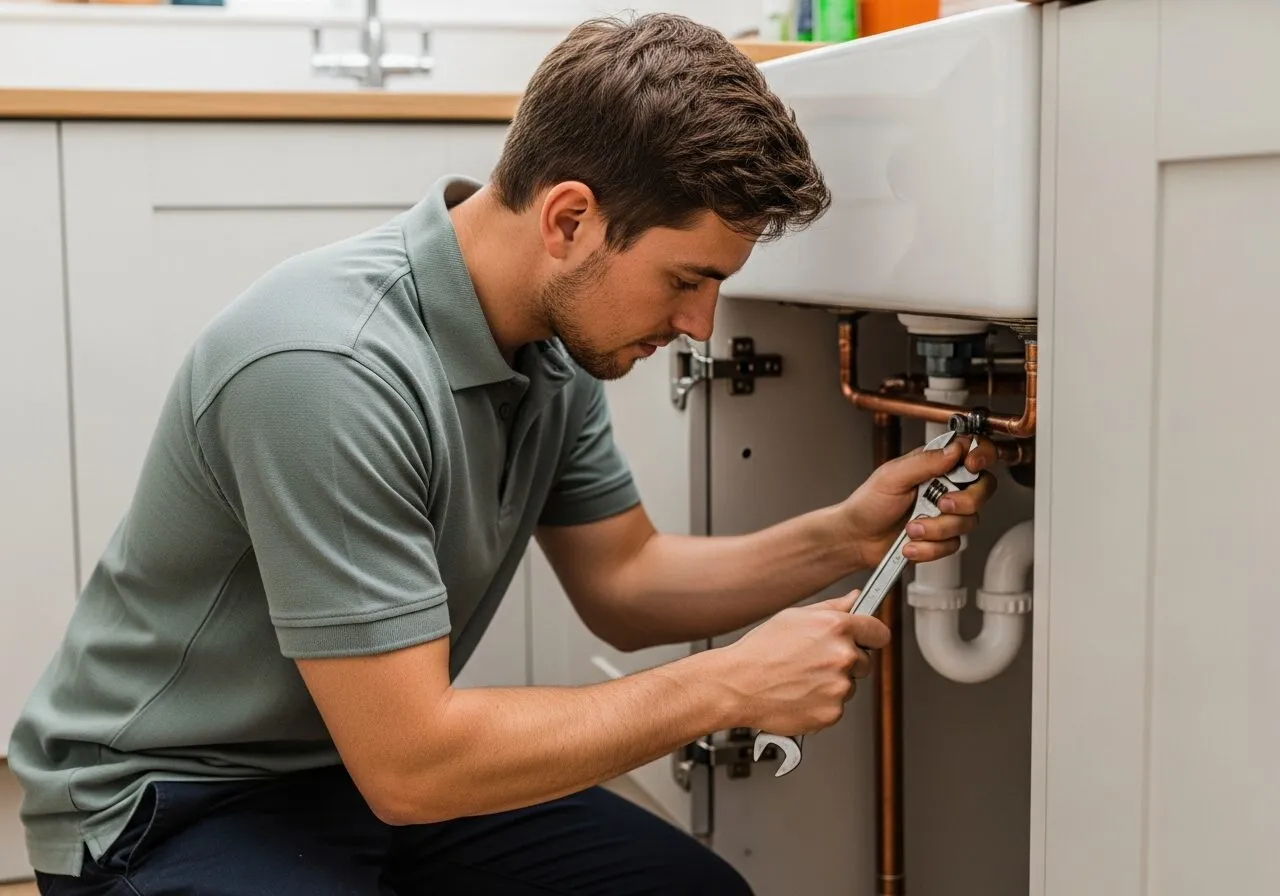
If your pipes bang when a tap shuts, a washing machine stops filling or a toilet valve snaps closed, you are probably hearing water hammer. It happens when moving water is forced to stop suddenly, sending a pressure shock through the pipework.
In London and Surrey homes, the problem often shows up in older pipe runs, flat conversions and properties where plumbing has been altered over time. Left alone, repeated shock can put stress on joints, valves and brackets, turning a noisy nuisance into a repair job.
The good news is that some causes are simple to identify, and a few checks are safe for a homeowner to make. Others need a plumber, especially if the noise is getting worse, happens in several places or comes with leaks, vibration or movement in the pipework.
What causes the banging
Water hammer is a pressure surge. When flowing water is stopped quickly, its momentum has to go somewhere, so the force pushes back through the pipe and creates a sharp knock, bang or shudder.
The sound itself may come from the pipe hitting timber, masonry or another pipe, but the underlying issue is pressure shock in the system. Loose clips, long pipe runs and poorly supported sections make the noise louder and allow more movement.
In period houses and terraced properties across London and Surrey, pipework may run under floorboards, through cupboards, behind boxing or into later extensions. That can make the source hard to trace, and one appliance can seem to make a bang in a different part of the home.
- A single loud knock when a tap or appliance shuts
- Banging after a washing machine or dishwasher fills
- Rattling in pipe boxing or under floors
- Movement or vibration near valves, stop taps or appliances
- Noise that is worse at certain times of day when mains pressure is higher
Why modern valves often make it worse
Many older taps and valves closed more gradually, which softened the change in pressure. Modern quarter-turn taps, lever mixers, solenoid valves in washing machines and some toilet fill valves shut much faster, so the pressure shock is sharper.
That does not mean the fitting is faulty. It means the rest of the system may not be coping well with a fast shut-off, especially where pipework is undersized, unsupported or already under high mains pressure.
Hard water, common in much of London and Surrey, can add to the problem over time. Limescale can affect how valves operate and contribute to restriction or uneven flow, which may make pressure changes feel more abrupt.
Fixes you can try first
Start with the simplest checks. Try to pin down exactly when the noise happens and which tap, appliance or toilet triggers it. A short pattern check often tells you whether the issue is isolated to one fitting or spread across the system.
If you can safely access exposed pipework, look for obvious movement, missing clips or pipes touching joists, walls or each other. Do not dismantle valves or alter sealed fittings yourself, but basic observation is useful before you call a plumber.
- Check whether the banging happens only at hot, cold or both supplies
- Run taps one at a time to identify the worst offender
- Look for loose pipe clips under sinks, in cupboards and near appliances
- See whether an appliance hose or pipe jumps when the valve closes
- Note whether the problem began after a new tap, toilet, washing machine or dishwasher was fitted
- If your stop tap is partly closed or stiff, do not force it, but mention it during a plumbing visit
From pipe support to water hammer arrestors
A proper fix depends on the cause. Sometimes the answer is as simple as securing pipework correctly so it cannot strike surrounding surfaces. In other homes, pressure may need checking, a faulty valve may need replacing or a hammer arrestor may need fitting near the appliance or valve causing the shock.
Water hammer arrestors are designed to absorb the pressure wave when water flow stops suddenly. They are often effective where fast-closing valves are involved, but they need to be chosen and positioned properly, not fitted at random.
In older housing stock, there may be more than one issue at once: loose pipes, previous DIY alterations, mixed pipe materials and awkward routes through cupboards or under floors. That is why a lasting repair usually starts with finding the exact trigger rather than treating the whole house as if it has the same fault everywhere.
When the noise points to something more serious
Not every bang is simple water hammer. If the sound is new, much louder than before or comes with dripping, staining, reduced flow or visible pipe movement, the problem may involve worn valves, failing joints, excessive pressure or a developing leak.
In flat conversions, terraced rows and homes with concealed pipe runs, noise can also travel from neighbouring sections of pipework or shared service routes. That can make a local fault seem random, when in fact one badly supported run or faulty fill valve is affecting several rooms.
Call a professional promptly if you notice damp patches, bulging boxing, repeated leaks under sinks, a toilet that refills noisily, or banging that happens with several fixtures. CS Services can help with plumbing issues across London and Surrey, with pricing agreed before work begins and no call-out fee.
Key Takeaways
- Water hammer is a pressure shock caused by water stopping suddenly.
- Modern fast-closing valves often make pipe banging more noticeable.
- Loose or poorly supported pipes can turn a small shock into a loud bang.
- Homeowners can safely observe patterns and check exposed pipe support.
- Persistent noise, leaks or visible movement should be checked by a plumber.
Frequently Asked Questions
Is water hammer dangerous or just annoying?
It is often first noticed as a noise problem, but repeated shock can strain joints, valves and fittings over time. If it is frequent or getting worse, it is worth dealing with before it leads to leaks or damaged supports.
Can I fix banging pipes myself?
You can safely identify when the noise happens and look for obvious movement or missing clips on exposed pipework. Beyond that, diagnosis and repairs are usually best left to a plumber, especially if valves, pressure or concealed pipes may be involved.
Why did the noise start after a new tap or washing machine was fitted?
Newer fittings often shut off water more quickly than older ones. If the existing pipework was already loosely supported or the system pressure is high, that faster shut-off can trigger water hammer.
Do water hammer arrestors always solve the problem?
Not always. They can be very effective where a fast-closing valve is the main cause, but they are not a cure for every pipe noise. Loose pipe runs, faulty valves and pressure issues may still need attention.
Why is this common in London and Surrey homes?
Many properties have older plumbing layouts, later alterations, concealed pipe runs and hard water conditions. Flat conversions and terraced homes can also make noise travel in confusing ways, so the source is not always obvious.