Small gardens in London and Surrey often have more constraints than larger suburban plots. Terraced houses, basement flats, period conversions and compact rear courtyards can mean shade, reflected heat, limited drainage, awkward access and very little room for error if a scheme becomes high maintenance.
The most reliable way to reduce garden work is to design for maintenance from the start. That means choosing plants that keep their shape, surfaces that are easy to clean, and layouts that let you water, sweep and prune quickly without moving half the garden every time.
Below is a practical guide to lower-effort garden design that still looks considered. It focuses on what homeowners can manage safely themselves, what to watch for in small urban gardens, and when it makes sense to bring in professional help.
Choose planting that behaves well in small spaces
In a compact garden, one over-enthusiastic plant can create a constant job. Favour planting that holds a neat shape, responds well to light trimming and does not throw out vigorous roots or self-seed everywhere. In older London and Surrey properties, where drainage runs, paving edges and boundary walls may already be under strain, this matters more than people think.
Evergreen structure usually gives the best return for the least work. A backbone of clipped shrubs, repeated grasses or dependable perennials can make a small space look tidy even when flowering is between seasons. If you want a softer, fuller look, repeat a few reliable plants rather than mixing lots of fussy varieties with different needs.
Before planting, check light honestly. Courtyard gardens can be much shadier than they appear, while roof terraces and exposed rear gardens can dry out quickly in warm spells. Matching plants to shade, sun and wind exposure is one of the simplest ways to avoid constant replacements and disappointing growth.
- Look for compact, slow-to-moderate growers rather than fast screening plants that quickly outgrow their space.
- Use repetition of a few dependable plants to create order and make gaps less obvious.
- Leave room around walls, drain covers and fences so growth does not trap moisture or block access.
- Check for yellowing leaves, black spotting, mildew, chewed edges or sparse growth early, before a small issue spreads through a small garden.
- If roots are lifting paving, stems are pushing against fencing, or a plant has clearly outgrown the space, it is usually time for professional advice rather than another hard prune.
Pick surfaces you can keep clean without constant work
Hard landscaping often creates more maintenance than planting. In small gardens, every square metre is noticed, so stained paving, algae on shaded slabs or loose jointing can make the whole space look neglected. Choose surfaces for how they will weather, how slippery they become, and how easy they are to sweep and wash down.
Textured surfaces can look attractive but often trap dirt and organic matter, especially under trees or beside old brick walls. Smooth or lightly textured paving is generally easier to maintain in compact courtyards and terraces. Gravel can work, but in very small spaces it often migrates, catches leaves and needs frequent raking to stay sharp.
Drainage should be considered as carefully as appearance. Many period properties and conversions have historic falls, patched paving or improvised drainage routes. If water sits after rain, you are likely to see algae, staining and frost wear, and that is better corrected early than masked with repeated cleaning.
- Sweep little and often to stop leaves breaking down into slippery residue.
- Inspect joints, edges and steps for movement, especially after heavy rain or freezing weather.
- Treat green film on paving as an early warning sign of poor drying, not just a cleaning issue.
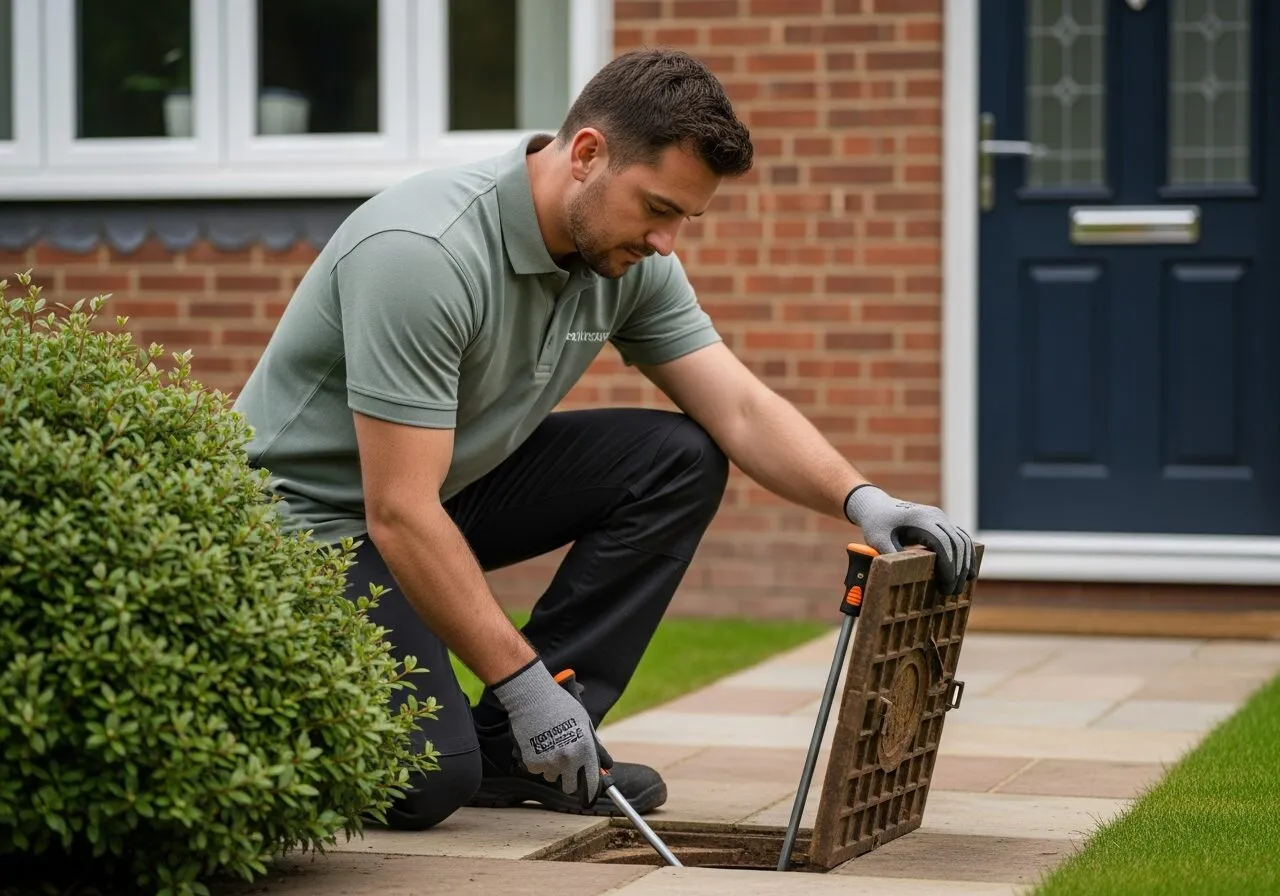
- Keep drainage channels and gullies clear where you can do so safely.
- If paving is rocking, pointing is failing, or water is persistently pooling, a professional should assess the cause before cosmetic cleaning or repairs.
Pots and beds compared honestly
Pots give flexibility, which is useful in rented homes, narrow terraces and gardens with awkward access. They let you change the look quickly, keep roots contained and add height without major building work. The trade-off is that containers dry out faster, need more feeding and can show stress very quickly in hot or windy urban spots.
Beds are usually more forgiving once established. Soil holds moisture better, roots can spread more naturally, and planting often needs less frequent watering than containers. But beds need edging discipline, sensible spacing and attention to weeds early on, otherwise a small planted strip can become a constant tidy-up job.
Hard water is another practical factor in London and parts of Surrey. It can leave visible deposits on some pots and irrigation fittings over time. If you prefer containers, choose finishes that weather well, raise pots slightly for drainage, and avoid packing them so tightly that watering becomes uneven.
- Choose pots if you want flexibility, seasonal change and contained planting near seating or doors.
- Choose beds if you want lower watering demand and a more stable long-term scheme.
- Use fewer, larger pots rather than many small ones. They dry out less quickly and look calmer.
- Check saucers, pot feet and drainage holes so water is not trapped against paving or walls.
- If a bed is repeatedly waterlogged, roots are failing, or a large container is cracking or sinking, get professional help before replanting.
A realistic low-effort weekly routine
Most small gardens do not need long sessions of work. What they do need is consistency. Ten to fifteen minutes once or twice a week is usually enough to stop small problems becoming a weekend job, particularly in spring and early autumn.
Focus on the tasks that preserve order first: watering where needed, removing obvious weeds, sweeping debris and checking for early signs of disease, blocked drainage or loose materials. In a compact courtyard, these small checks make a noticeable difference very quickly.
- Walk the garden with a bag or bucket and remove dead leaves, dropped petals and any rubbish.
- Check pots and the driest corners first, especially beside walls and in sunny or windy spots.
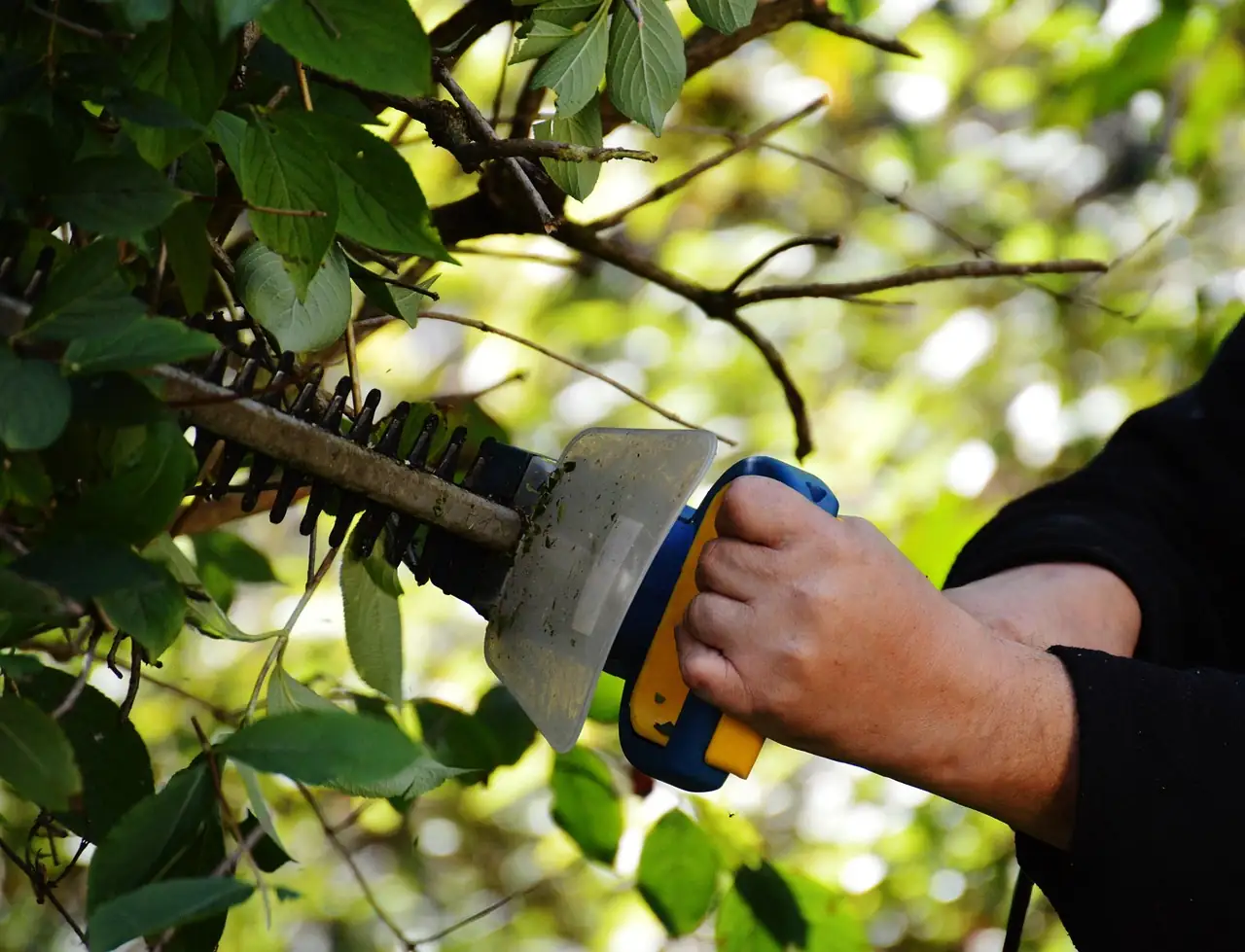
- Deadhead and lightly trim where needed, but avoid heavy pruning unless you are sure of the plant and timing.
- Look at paving after watering or rain to see where water sits longer than it should.
- Spot weeds early and remove them before roots establish in joints or borders.
- Wipe outdoor furniture, handrails and visible surfaces so the whole space stays looking cared for.
When to do it yourself and when to call a professional
Routine garden maintenance is often manageable for homeowners: watering, light weeding, sweeping, deadheading and basic seasonal tidying are all reasonable DIY tasks. The limit usually comes when the problem affects safety, drainage, access or the underlying layout of the garden.
Call a professional if growth is damaging fences or boundaries, paving has become slippery or unstable, drainage is poor, or the whole space needs rethinking to reduce ongoing work. This is especially relevant in London and Surrey gardens with restricted access, older walls, shared boundaries or little room to store waste and materials.
CS Services provides garden maintenance, planting and fencing across London and Surrey. Garden work is quoted per job, with a bespoke no-obligation quote and the price agreed before work starts. For homeowners who want a garden that stays tidy without constant effort, practical design changes often do more than repeated one-off clear-ups.
Key Takeaways
- Choose compact, reliable planting that suits the actual light and moisture levels.
- Low-maintenance gardens depend as much on surfaces and drainage as on plants.
- Beds are usually easier long term, while pots offer flexibility but need more watering.
- A short weekly routine prevents most small issues becoming larger jobs.
- Call a professional when safety, drainage, boundaries or layout are involved.
Frequently Asked Questions
What makes a small garden high maintenance?
Usually it is too many thirsty pots, unsuitable planting, poor drainage and surfaces that trap dirt or algae. In small spaces, even minor clutter or overgrowth is more visible, so a design that looks good but is awkward to maintain quickly becomes hard work.
Are pots or beds better for a courtyard garden?
It depends on how you want to use the space. Pots are flexible and good where access is difficult or layouts may change, but they need more frequent watering and feeding. Beds are generally easier to keep going once established and often need less intervention.
How often should a small London garden be maintained?
A brief weekly check is usually enough for general upkeep, with a little more attention in active growing periods. Regular light maintenance is more effective than infrequent heavy clear-ups.
What should I look for after heavy rain?
Check for standing water, slippery paving, overflowing gullies, washed-out joints and soil or mulch moving out of beds. These are signs that drainage or surface levels may need attention.
When should I get professional help with a small garden?
Bring in a professional if paving is unstable, drainage is poor, fencing is failing, roots are causing damage, or the planting scheme clearly does not suit the site. Professional input is also useful where access is tight and waste removal or materials handling will be awkward.