
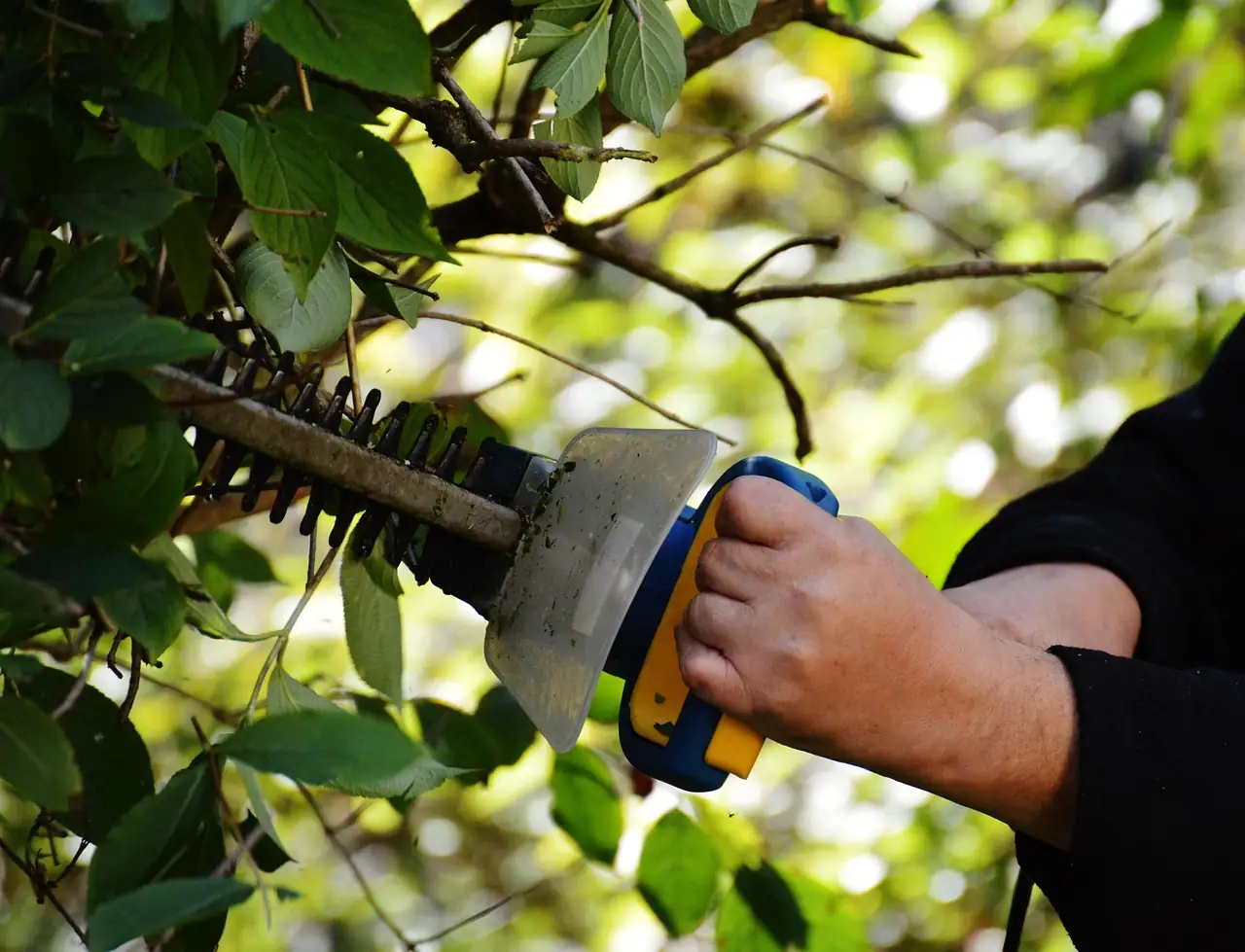
A regular garden maintenance plan should match the garden you have, not the garden you wish you had time to manage. A small paved courtyard in a London terrace needs a different routine from a larger Surrey family garden with lawn, borders and fencing.
The best schedule is the one that keeps jobs under control without paying for visits you do not need. Weekly, fortnightly and monthly plans all suit different properties, planting styles and seasons, and it often makes sense to adjust the pace through the year.
If you know what each frequency is good at, what you can safely stay on top of yourself, and where professional help makes a clear difference, it becomes much easier to choose well.
What each visit frequency keeps on top of
Weekly visits suit gardens that change quickly or need a consistently tidy finish. That often means lawns in the growing season, formal front gardens, rental properties, homes on busy residential streets, or small gardens where a little overgrowth becomes obvious very quickly.
Fortnightly visits are the practical middle ground for many London and Surrey homes. They usually work well for mixed gardens with lawn, borders, hedges, pots and light seasonal pruning, especially where the owner can do small jobs such as watering and deadheading between visits.
Monthly visits are best for lower-maintenance spaces rather than gardens that need constant attention. They can work for established planting, paved gardens, modest border care and general tidying, but if growth is strong, a monthly plan can become a reset visit rather than true maintenance.
- Weekly is usually best for fast-growing lawns, formal presentation and gardens that must stay consistently neat.
- Fortnightly suits most general family gardens where growth needs regular control but not constant attention.
- Monthly works best for simpler, slower-growing gardens or owners who actively manage smaller tasks themselves.
How the seasons should change your schedule
A frequency that works in January may not be enough in May or June. Spring and early summer usually bring the fastest change, with lawns, weeds and soft growth all moving at once, while autumn shifts the focus towards leaf clearance, cutting back and keeping paths usable.
London gardens are often compact, shaded by neighbouring buildings and surrounded by walls or fencing, which can hold damp and encourage moss, weeds and slippery surfaces. Surrey gardens are often larger and greener, which can mean more hedge work, more lawn growth and more seasonal debris to stay on top of.
It is sensible to review your plan across the year rather than treating it as fixed. A fortnightly plan may be enough for much of the year but need temporary weekly support in peak growing periods, especially after warm rain.
- Spring: watch for sudden lawn growth, weed spread, overcrowded borders and failed plants that did not come through winter.
- Summer: keep an eye on watering stress, pest damage, tired containers and hedges or climbers pushing into paths and neighbouring boundaries.
- Autumn: clear leaves before they build up on lawns and paving, cut back where needed and check fences and posts after windy weather.
- Winter: focus on structure, access, storm damage, waterlogging, loose branches and any timber or boundary issues that will worsen if left.
Direct Debit plans explained
Regular garden maintenance plans are paid by monthly Direct Debit, which helps spread the cost of ongoing visits across the year. That is often easier to manage than arranging and paying for each job separately, especially if you want the garden looked after on a consistent schedule.
Garden work is quoted per job, not charged by the hour. Quotes are bespoke and no-obligation, with the price agreed before work starts, so the right plan depends on the size of the garden, the type of work involved and how often you want visits.
This matters because garden maintenance is not one standard task. A narrow rear garden behind a terraced house, a front garden with limited access, or a property with on-street parking constraints can all affect how visits are planned and what can realistically be achieved each time.
Getting the most from each visit
The more clearly you set priorities, the more useful each visit will be. If your main concern is keeping paths clear, the lawn presentable and borders from getting out of hand, say so from the start rather than assuming every part of the garden matters equally every time.
Access makes a bigger difference than many homeowners expect. In London especially, side returns can be narrow, storage can be limited, and tools or green waste may need to pass through the house, so clearing a route and flagging any restrictions helps the visit run smoothly.
It also helps to note recurring trouble spots. Damp corners, pots that dry out quickly, fence lines where weeds return, and shaded patches where moss builds up are all worth pointing out so they can be monitored over time.
- Tell your gardener which areas matter most if time needs to be prioritised.
- Keep access clear, including side passages, gates and any route through the property.
- Mention pets, shared access, parking limits and any times when noise or access is restricted.
- Flag early warning signs such as yellowing plants, soft fence posts, pooling water or paving that has become slippery.
What you can do yourself and when to call in help
Homeowners can usually manage light, low-risk tasks between visits. Watering pots, removing obvious weeds, sweeping leaves, deadheading flowers and picking up litter all help slow the build-up and make professional visits more productive.
What you should avoid is work that needs specialist tools, safe ladder use, structural judgement or repeated heavy handling. Large hedge reductions, fence repairs, planting plans, neglected clearance, or gardens where everything has become overgrown usually benefit from proper assessment and a clear plan.
Call in a professional early if you notice boundaries leaning, timber decay, drainage issues causing standing water, or plants repeatedly failing in the same spot. Problems caught early are usually easier to deal with than gardens left until they need a full recovery.
- Safe DIY jobs: light weeding, watering, sweeping, deadheading and simple visual checks.
- Get help for: fence repairs, replacement panels and posts, full new fencing runs with gates, heavier maintenance and planting work.
- Ask for advice if access is awkward, the garden is often waterlogged, or you cannot keep pace with growth between visits.
Key Takeaways
- Choose a visit frequency based on growth, layout and how much you will do yourself.
- Fortnightly suits many London and Surrey gardens, but peak growth may need weekly visits.
- Monthly plans work best for lower-maintenance gardens, not fast-growing ones.
- Regular garden plans are paid by monthly Direct Debit.
- Garden work is quoted per job, with a bespoke no-obligation quote agreed before work starts.
Frequently Asked Questions
How do I know if my garden needs weekly rather than fortnightly visits?
If the lawn looks untidy within days, weeds spread quickly, or the garden needs to stay consistently presentable, weekly visits are often the better fit. This is common with small front gardens, formal spaces and fast-growing summer gardens.
Is monthly maintenance enough for a typical family garden?
Sometimes, but only if the garden is fairly simple or you are happy to do small jobs yourself between visits. For mixed gardens with lawn, borders and regular seasonal growth, fortnightly is often more realistic.
Can the visit frequency change through the year?
Yes. That is often the most sensible approach. Growth is rarely consistent across all seasons, so some homeowners need more frequent visits in spring and summer and less frequent maintenance in winter.
How are regular garden maintenance plans paid for?
Regular garden maintenance plans are paid by monthly Direct Debit. The work itself is quoted per job, with a bespoke no-obligation quote and the price agreed before work starts.
What garden jobs are worth doing myself between visits?
Simple, low-risk jobs such as watering pots, light weeding, sweeping leaves and deadheading are usually worth doing. They help stop the garden slipping backwards between professional visits.
Can CS Services help with more than basic maintenance?
Yes. The gardens service covers garden maintenance, planting and fencing, including fence repairs, replacement panels and posts, and full new runs with gates. Enquiries can be made by phone on 020 3582 3455 or by email at info@csservicesgroup.co.uk.