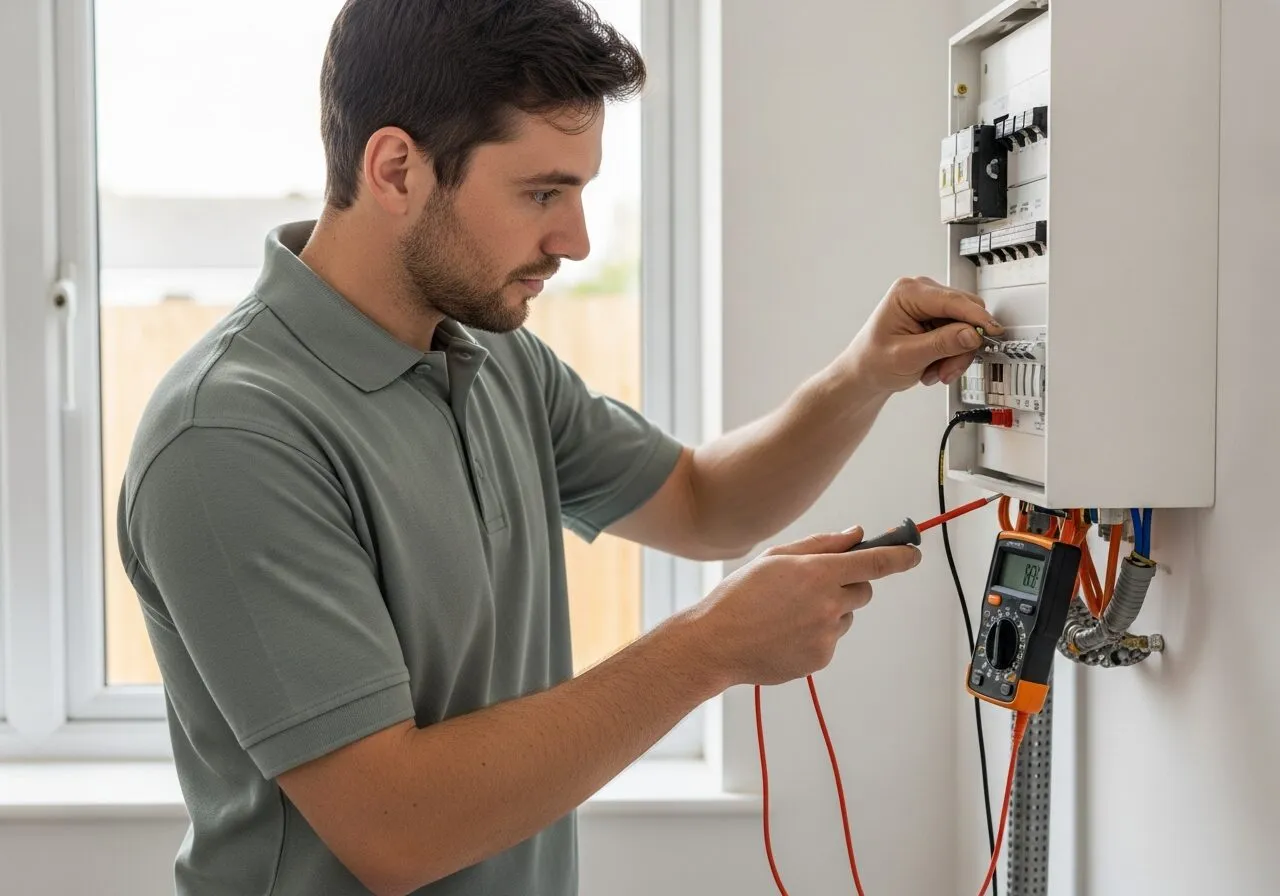
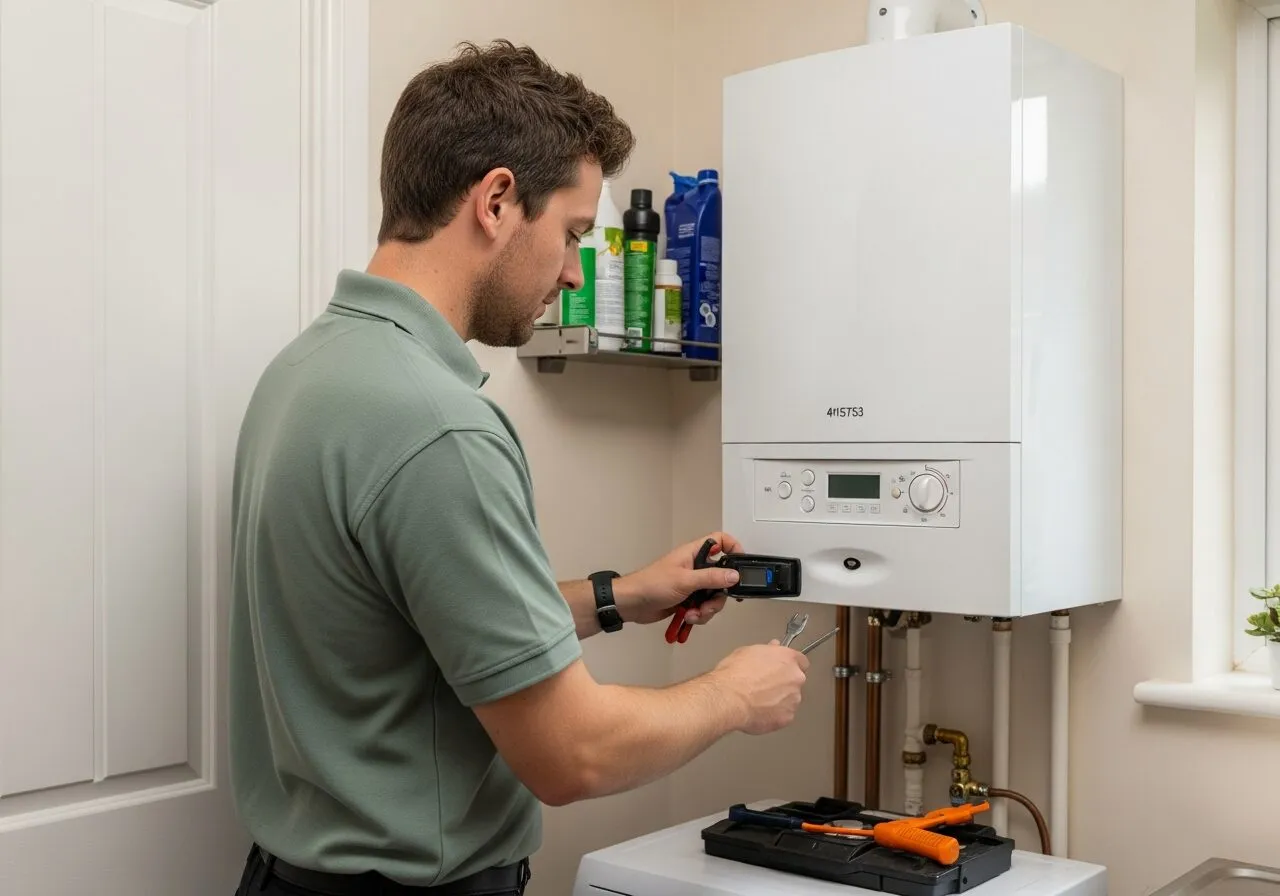
A radiator that stays cold at the bottom usually points to sludge building up inside the heating system. In many London and Surrey homes, especially older properties with ageing pipework and radiators, this is a common issue rather than a sign that the whole boiler has failed.
The sludge in question is usually magnetite, a dark iron oxide that forms as water reacts with the metal inside the system. Once it starts circulating, it settles in the lowest and slowest parts of the system, reducing heat output and making the boiler and pump work harder than they should.
Homeowners can often spot the warning signs early and deal with a few basic checks themselves. The key is knowing when you are looking at a simple balancing or bleeding issue and when the system needs professional cleaning and protection.
Why sludge builds up where it does
Magnetite sludge forms inside sealed heating systems as radiators, valves and steel components gradually corrode. The particles are heavy, so they tend to collect in low points such as the bottom of radiators, horizontal pipe runs and bends where water flow is slower.
That is why the classic symptom is a radiator that feels warm at the top and cold at the bottom. Air rises, so a radiator that is cold at the top often needs bleeding, while sludge settles, so cold lower sections usually point to contamination inside the system.
Older London terraces, conversions and flats can be more prone to this because they often have a mix of old and newer components added over time. Changes to layouts, extended pipe runs and older radiators can all make circulation less even, giving sludge more opportunity to settle.
Symptoms to look for beyond cold patches
Cold bands at the bottom of radiators are the obvious sign, but they are not the only one. Sludge can show up as slow warm-up times, some radiators staying cooler than others, repeated bleeding, or heating that never seems to feel properly responsive.
If your boiler is cycling more often, the pump sounds strained, or rooms at the far end of the system heat up poorly, circulation problems may be developing. In severe cases, sludge can contribute to noisy pipework, sticking valves and blocked heat exchangers.
- Radiators hot at the top but cold at the bottom
- One or two radiators never fully heating
- Murky or black water when bleeding a radiator
- Boiler or pump working harder than usual
- Repeated need to bleed radiators
- Uneven heating between floors or rooms
What you can check safely yourself
Start with the simple checks before assuming the system needs a flush. Make sure the heating is on, test each radiator from top to bottom, and note whether the problem affects one radiator, one floor or the whole property.
You can safely bleed a radiator if the top is cold and the bottom is warm, provided you follow the usual precautions and switch the heating off first. If water released from the bleed valve is dark brown or black, that is a useful sign of sludge in the system.
Check that radiator valves are open and that furniture, covers or heavy curtains are not restricting heat into the room. In compact London homes and flat conversions, poor furniture placement can sometimes make a heating issue feel worse than it is.
- Bleed radiators only if the upper section is cold
- Do not open valves or drain the system unless you know exactly what you are doing
- Keep a note of which radiators are affected and how
- Watch for dirty water, recurring cold spots or repeated pressure issues
Manual flush or power flush: which is suitable
A manual flush usually means draining the system and flushing through sections in a more basic, controlled way. It can be suitable where the problem is limited to one radiator or a smaller part of the system, particularly if the rest of the heating performs normally.
A power flush is a more thorough clean using specialist equipment to move water and cleaning chemicals through the system at higher velocity. It is generally considered when several radiators are affected, circulation is poor across the property, or contamination is significant.
The right option depends on the age of the system, the severity of the build-up and the condition of the components. In period homes, older pipework and access constraints can matter, so a proper assessment is important before any work is started.
- A single cold radiator may sometimes be removed and flushed separately
- Widespread cold spots usually suggest system-wide cleaning
- Very old systems need careful assessment before aggressive cleaning methods
- Access can affect the practicalities in terraced streets and converted flats
Protecting the system after cleaning
Cleaning the system is only half the job. If it is not properly protected afterwards, fresh corrosion can start again and the same symptoms can return.
A professional will normally look at adding inhibitor to protect the water in the system and may also recommend a magnetic filter to catch circulating debris before it settles elsewhere. This is especially worthwhile in older housing stock where mixed metals and ageing radiators are common.
If you live in London or Surrey, hard water is often part of the wider picture for heating performance, even though sludge itself comes from internal corrosion rather than limescale alone. Regular servicing, prompt attention to small faults and good system water quality all help boilers and radiators work more efficiently.
When to bring in a heating professional
If several radiators are affected, the system keeps losing performance or the boiler is showing signs of strain, it is time to get the heating checked professionally. Heating is advertised by CS Services as coming soon, and enquiries are welcome ahead of launch.
Any gas and heating work should be carried out by a Gas Safe registered engineer. A professional can tell the difference between sludge, air, balancing issues, pump problems and control faults, and can advise on the most sensible next step rather than treating every cold radiator as a full flush job.
If you want advice about a heating issue in a London or Surrey property, you can contact CS Services on 020 3582 3455 or info@csservicesgroup.co.uk. Heating work is charged from £120 per hour once the service launches, with no call-out fee, a 1-hour minimum charge and the price agreed before work begins.
Key Takeaways
- Cold bottoms on radiators usually point to sludge, not trapped air.
- Black or dirty bleed water is a strong sign of magnetite contamination.
- One affected radiator may need local attention, but widespread issues often need system cleaning.
- After any flush, inhibitor and often a magnetic filter help prevent a repeat.
- Older London and Surrey homes can be more prone to circulation and sludge problems.
Frequently Asked Questions
Is a radiator cold at the bottom always caused by sludge?
Not always, but it is one of the most common causes. Sludge is especially likely when the top of the radiator is warm, the bottom stays cold and the system has other signs of poor circulation.
Can I fix radiator sludge by bleeding the radiator?
Bleeding only releases trapped air. If sludge is the issue, bleeding will not remove the build-up at the bottom of the radiator, though it may help you spot dark system water.
How do I know whether I need a manual flush or a power flush?
It depends on how widespread the problem is and how contaminated the system appears to be. One troublesome radiator may need local flushing, while multiple affected radiators often justify a more thorough system clean.
Does hard water cause radiator sludge?
Sludge is mainly caused by internal corrosion producing magnetite. Hard water is a separate issue, but in London and Surrey it can still affect overall heating system condition and efficiency.
Should I use a chemical cleaner myself?
It is usually better to get advice before adding chemicals to a heating system. Incorrect use, poor flushing or adding products to a system with underlying faults can create more problems rather than solving them.