
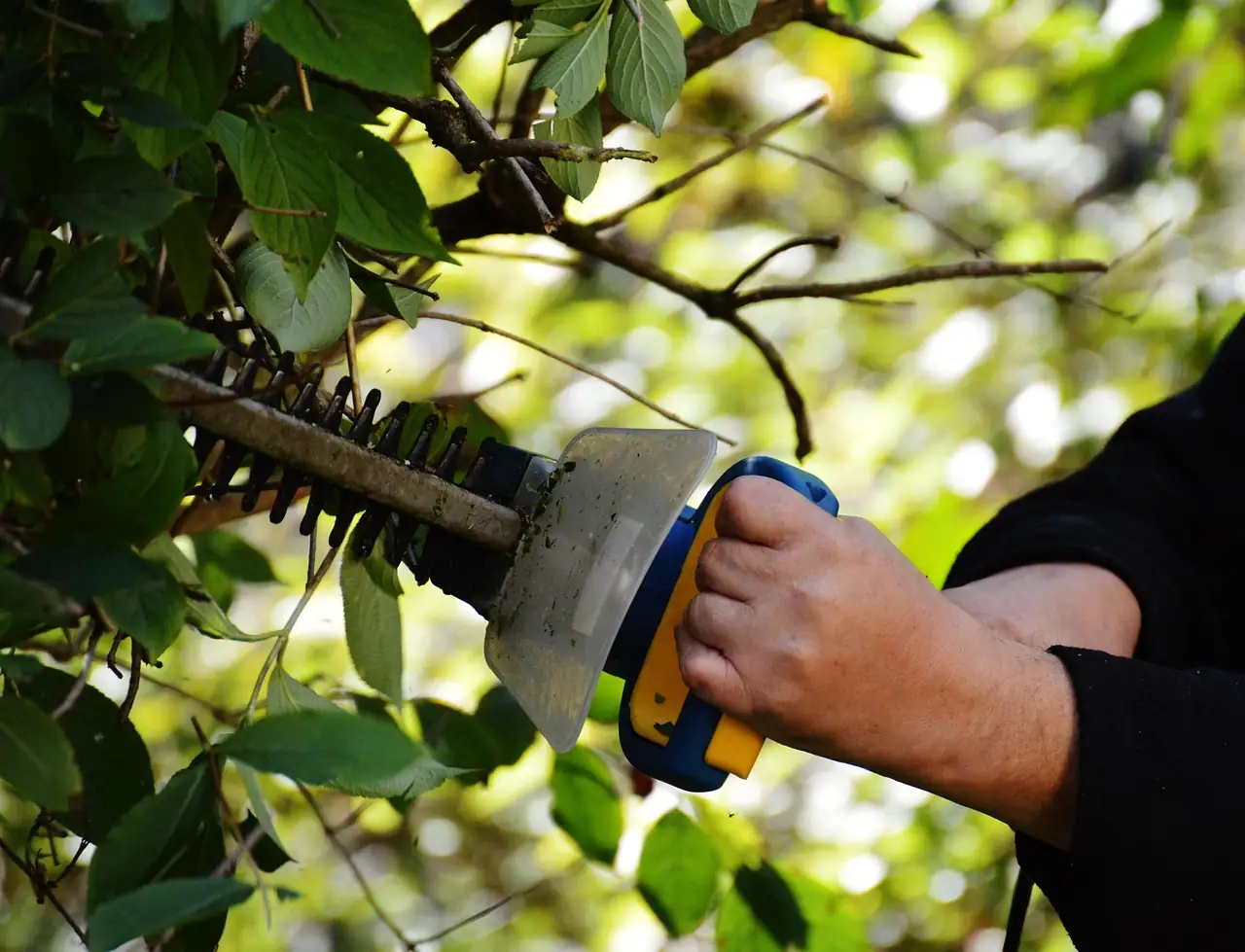
Many suburban gardens in London and Surrey have a mixed planting scheme built up over time: a few established shrubs, a small ornamental tree, climbers against boundaries and whatever was left by previous owners. Pruning often gets put off because people are unsure what can be cut back without causing damage.
The good news is that most routine pruning follows a simple logic. If you know why you are cutting, what type of plant you are dealing with and the right time to act, you can keep a garden healthier, tidier and easier to manage.
This guide focuses on practical decisions for homeowners. It covers what you can usually do yourself, how to avoid common mistakes and when it makes sense to bring in professional help.
Start with the reason for pruning
Good pruning is not about cutting everything back hard. It is about removing the right growth for a clear reason: dead wood, rubbing stems, weak growth, congestion, storm damage or size that no longer suits the space.
In London and Surrey, space is often tight. Small rear gardens, narrow side returns, fences close to planting beds and neighbouring properties all mean a shrub or small tree can quickly outgrow its position if left unchecked.
- Remove dead, diseased or damaged growth first.
- Open up crowded centres to improve light and airflow.
- Cut out stems that cross and rub, as these create wounds and invite disease.
- Reduce growth that is blocking paths, windows, gates or access to bins and meters.
- Shape the plant gradually rather than taking too much at once.
How to spot problems early
A quick check every few weeks is usually enough to catch issues before a shrub becomes a bigger job. Look from a short distance first, then inspect more closely so you can see the overall shape as well as any damaged stems or poor growth.
Period homes and flat conversions often have compact gardens where a single overgrown plant affects more than one area. A shrub leaning into a shared path, pressing against a fence or shading a small lawn is easier to correct early than after a full season of unchecked growth.
- Dead stems that stay brittle and bare while the rest of the plant grows.
- Leaves with obvious dieback on one branch or one side only.
- Growth touching walls, gutters, downpipes or window frames.
- Dense top growth with little light reaching the base of the plant.
- Low branches causing trip hazards near paths, steps or parking spaces.
When to prune different plant groups
Timing matters because plants flower and grow in different ways. The simplest rule is this: prune after flowering if the plant blooms on growth made the previous year, and prune in late winter or early spring if it flowers on new growth made in the current season.
If you do not know the exact variety, do not rush into heavy cutting. A light tidy-up is usually safe, but a hard prune at the wrong time can remove flower buds or leave a plant slow to recover.
- Spring-flowering shrubs such as forsythia, flowering currant and many lilacs are usually pruned after flowering. Remove some older stems and shorten wayward growth once the display has finished.
- Summer-flowering shrubs such as buddleja and hardy fuchsia are generally pruned in late winter or early spring before strong new growth starts.
- Hydrangeas vary by type. Mophead and lacecap forms usually need light spring pruning, mainly removing dead flowerheads and weak stems, while panicle hydrangeas can take a firmer cut in late winter or early spring.
- Evergreen shrubs often need a lighter hand. Remove damaged or misplaced growth rather than cutting hard into old bare wood unless you know the plant responds well.
- Climbers should be checked individually, but many benefit from tying in new shoots and removing congested or flowered stems at the right point in their cycle.
- Small ornamental trees usually need only limited pruning: dead, damaged or badly placed branches, plus any shoots from the base or trunk where appropriate.
Tools, clean cuts and sensible technique
Sharp, clean tools make a real difference. Ragged cuts heal more slowly and are more likely to let disease in, especially in damp conditions or shaded gardens where airflow is poor.
For most homeowners, a small set of reliable hand tools is enough for routine work. You do not need a large kit, but you do need tools that suit the thickness of the stem and are in good condition.
- Use secateurs for thinner live stems, loppers for thicker branches and a pruning saw for wood too large for loppers.
- Clean blades between plants, and especially after cutting anything diseased.
- Cut just above a healthy outward-facing bud when shortening a stem.
- When removing a branch entirely, cut back to the branch collar rather than leaving a long stub.
- Do not crush stems by forcing tools through wood that is too thick.
- Wear gloves and eye protection, and make sure ladders are stable before any overhead work.
What you can usually do yourself
Most homeowners can manage light routine pruning safely from ground level. That includes deadheading, removing obviously dead or broken stems, cutting back soft growth that blocks paths and thinning a congested shrub without changing its overall structure too much.
This is often enough to keep a suburban garden in good order. In smaller plots, regular modest pruning is usually better than letting everything build up and then trying to recover control in one weekend.
- Take a little from several stems rather than cutting one side hard.
- Step back every few minutes to check shape and balance.
- Avoid pruning in very hot, very frosty or windy conditions.
- Bag thorny or woody waste as you go so paths and access points stay clear.
- If garden waste storage is limited, plan smaller sessions that match what you can remove from site.
Jobs best left to a professional
Some pruning work carries more risk than people expect. Height, restricted access, heavy timber, unknown plant response and proximity to buildings or boundaries can turn a simple-looking task into one that needs proper equipment and experience.
That is especially true in London and Surrey where gardens are often enclosed, access may be through the house, and on-street parking can make waste removal and tool handling less straightforward. If a plant is affecting neighbouring property, overhead cables, fencing or built structures, it is worth getting it assessed properly.
- Anything that requires sustained ladder work or awkward reaching.
- Large shrubs or small trees that need structural reshaping rather than a light trim.
- Branches near roofs, conservatories, sheds, cables or glazed areas.
- Plants with major dieback, suspected disease or repeated failure after previous pruning.
- Boundary planting where overcutting could trigger a dispute with neighbours.
Key Takeaways
- Prune with a purpose, not just to make a plant smaller.
- Dead, damaged and rubbing stems are usually the first cuts to make.
- Timing depends on whether a plant flowers on old or new growth.
- Clean, sharp tools help plants recover faster.
- Routine ground-level pruning is often suitable for homeowners.
- Height, access and structural reshaping are better handled professionally.
Frequently Asked Questions
Can I prune shrubs at any time of year?
Light removal of dead, damaged or unsafe growth can usually be done when needed, but heavier pruning should match the plant's growth and flowering habit. If you prune at the wrong time, you may remove flower buds or slow recovery.
How much can I safely cut off a shrub in one go?
That depends on the plant, but as a general rule it is safer to prune gradually rather than remove a large amount at once. If you are unsure how well a shrub responds to hard pruning, take a lighter approach first.
Do I need to seal pruning cuts?
In most cases, no. A clean cut in the right place is usually all that is needed, and wound paints are not part of normal routine pruning for most garden shrubs and small trees.
What should I do if a shrub is pressing against a fence or wall?
Reduce the stems that are causing contact, ideally by cutting back to a side shoot or healthy bud rather than shearing the outer surface only. If the shrub is large, woody or affecting a boundary structure, professional help may be the safer option.
Is winter a good time to prune?
For some plants, yes, particularly those that flower on new growth and many dormant deciduous shrubs. Others, especially spring-flowering shrubs, are better pruned after flowering, so it is important to identify the plant group first.