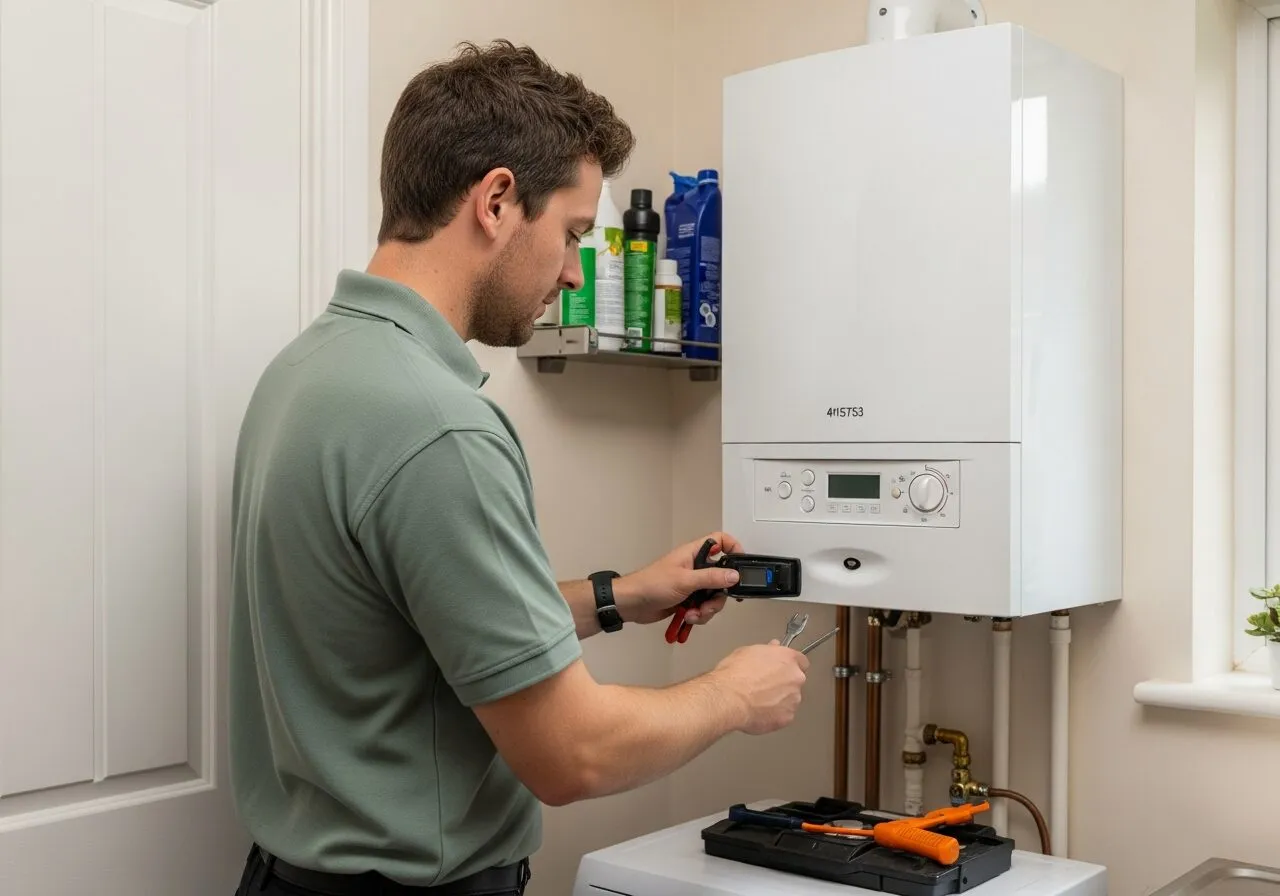
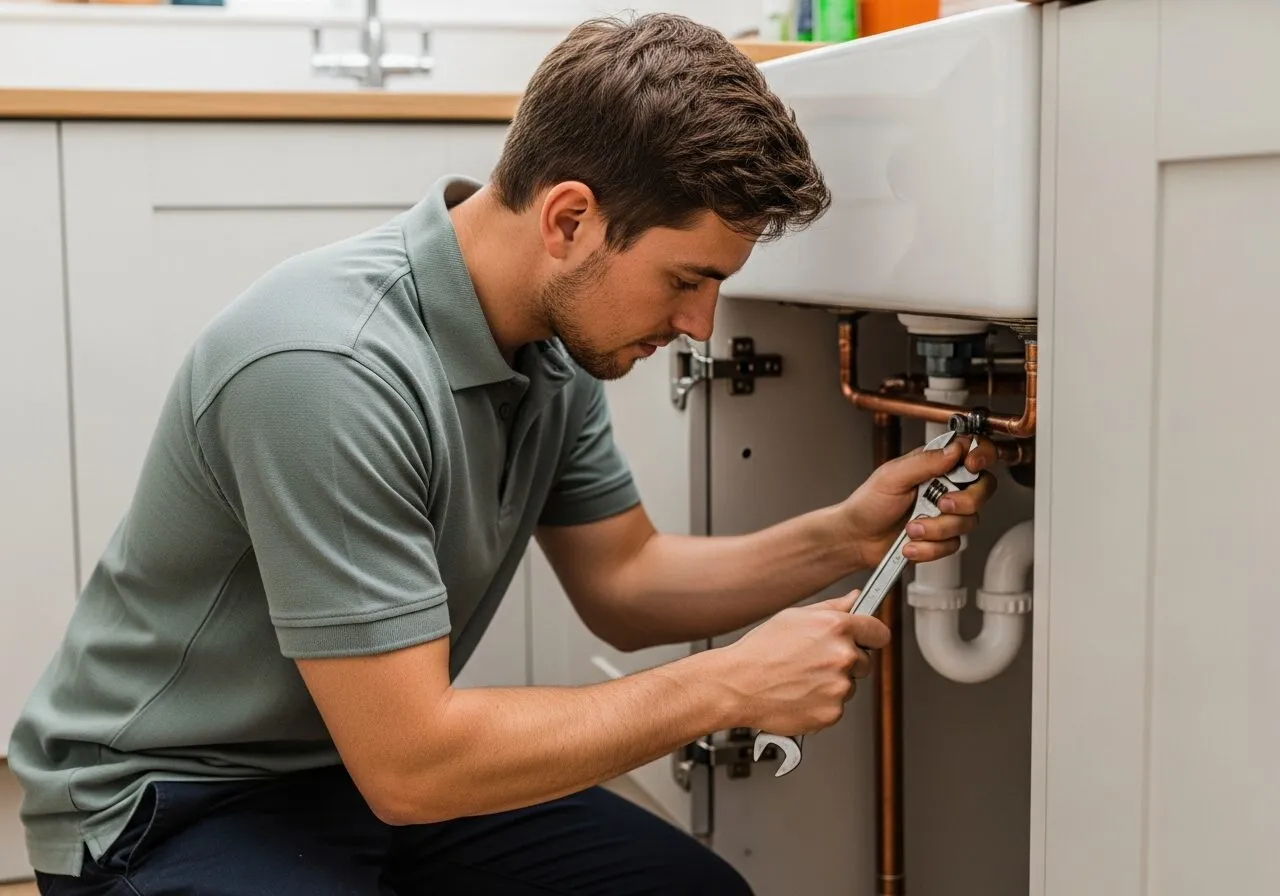
An outside tap is useful for watering, washing down patios, cleaning bins and filling watering cans without dragging a hose through the house. In many London and Surrey homes, though, fitting one is not quite as simple as drilling through the nearest wall.
Older brickwork, flat conversions, hard water, narrow side returns and awkward access can all affect where the tap should go and how long the job takes. If you understand the basics before booking, it is easier to choose a sensible location and avoid problems later.
What outside tap installation usually involves
A proper installation normally means taking a cold water supply from inside the property, running pipework through the wall and fixing a tap plate securely on the outside. The plumber should also fit suitable isolation and backflow protection so the supply can be shut off and the risk of contamination is reduced.
In many houses, the supply is taken from a kitchen sink cold feed, a utility room or another nearby mains pipe. The exact route matters because long or awkward pipe runs can leave the tap more exposed to cold and can make the finished job look untidy if not planned properly.
For period homes and older terraces, pipework positions are often less predictable than in newer properties. Previous alterations, plastered-over pipes and solid brick walls can all add time, so it helps to know roughly where your internal stop tap, kitchen plumbing and external wall access are before the visit.
Where the tap can and cannot sensibly go
The best position is usually close to a reliable internal cold water supply and on an outside wall that gives easy day-to-day access. It should be convenient for the garden or front path without creating a trip hazard from trailing hoses across doorways or shared access routes.
Not every wall is a good choice. A tap may be unsuitable on a wall with no practical internal water feed behind it, where there is a risk of drilling into hidden services, or where the pipe run would pass through an unheated void that is likely to freeze.
Flat conversions need extra thought. If you own a ground-floor flat with private outdoor space, the supply route, ownership of the wall and any shared services should be clear before work starts. In terraced streets and tight side returns, physical working space and on-street access can also affect how straightforward the job is.
- Good signs for a suitable location: nearby internal cold mains pipe, easy hose access, solid fixing point and a position where the pipe can be isolated indoors.
- Warning signs: very long exposed pipe runs, shared or uncertain pipe ownership in conversions, cramped access behind kitchen units, or a location that leaves the tap vulnerable to knocks.
- If you are unsure, take a few clear photos of the inside and outside wall areas before speaking to a plumber.
How to protect an outside tap from frost
Frozen outside taps and pipes are a common winter problem, especially where the pipe runs through a cold wall, garage, lean-to or uninsulated cupboard. When water freezes it expands, which can split pipework or damage the tap body, and the leak may only become obvious when temperatures rise.
The most useful protection is being able to isolate the outside tap supply from indoors and drain down the short external section in very cold weather. A simple insulated tap cover can help, but it is not a substitute for proper installation and shut-off arrangements.
Hard water also matters locally. In parts of London and Surrey, limescale can make outdoor taps stiffer to operate and can worsen minor drips, so catching small faults early is worthwhile before winter puts extra strain on the fitting.
- Disconnect hoses in cold weather. A hose left attached can trap water and increase the chance of freezing damage.
- Turn off the internal isolation valve if your installation has one and drain the outside section during severe cold spells.
- Check for slow drips, cracks, loose fittings or damp patches on the inside face of the wall after freezing weather.
- Do not use boiling water or a naked flame to thaw frozen pipework.
What you can check yourself and when to call a plumber
Before booking, you can do a few simple checks safely. Work out where you would actually use the tap, whether the hose will reach without crossing a neighbour's path, and whether there is an obvious internal cold water source on the other side of the wall. You can also check for existing leaks under the kitchen sink or signs that pipework there is already cramped or poorly arranged.
You should call a professional if the pipe route is uncertain, the wall is thick or difficult to drill, the property is a conversion, or you have had previous freezing issues. A plumber should also assess any installation where there may be backflow risk, awkward access or concern about the condition of existing pipework.
If you already have an outside tap, book help promptly if it drips constantly, wobbles on the wall, leaks indoors when used or stops working after a freeze. Small faults can turn into split pipes and internal water damage if left through winter.
Typical time and cost in London and Surrey
A straightforward outside tap installation is often a small plumbing job, but the time required depends on the pipe route, wall type, ease of access and whether any existing pipework needs altering first. Homes with thick masonry, limited space under sinks or more complex layouts usually take longer than modern homes with simple access.
For CS Services plumbing work is charged from £140 per hour, with no call-out fee. Plumbing has a 1-hour minimum charge, then time is billed in 15-minute increments, and the price is agreed before work begins.
Materials are charged at trade price plus 30%, and rates exclude VAT. Payment is taken by card on completion. If you are comparing quotes, check whether frost protection, isolation, pipe routing and any making-good are actually included rather than assuming all installations are the same.
Key Takeaways
- The best outside tap position is close to a suitable internal cold mains supply.
- A proper installation should include isolation and suitable backflow protection.
- Disconnect hoses and isolate the supply in freezing weather where possible.
- Older homes and flat conversions often need more planning before drilling starts.
- CS Services plumbing work is charged from £140 per hour with no call-out fee.
Frequently Asked Questions
Can I have an outside tap fitted anywhere on the house?
Not always. The chosen wall needs a practical internal cold water supply behind or near it, a safe drilling route and a sensible external position for use. In conversions or older homes, the nearest wall is not always the best option.
Do I need to turn an outside tap off in winter?
If the installation has an internal isolation valve, it is sensible to turn it off and drain the outside section during severe cold weather. At a minimum, remove any hose attachment and check the tap for drips or signs of frost damage.
Why is my outside tap dripping after a cold spell?
Freezing can damage washers, joints or the tap body itself. A small drip after winter may be the first sign of a split or weakened fitting, so it is worth having it checked before the problem worsens.
Can I install an outside tap myself?
A homeowner can choose a sensible location and carry out basic checks, but installation involves pipework, drilling, isolation and correct protection of the water supply. If there is any doubt about the route, fittings or regulations, use a professional plumber.
How do I prepare before booking a plumber for an outside tap?
Decide where you want to use the tap, clear access around the sink or cupboard area inside, and take photos of both sides of the wall if possible. In London and Surrey homes with tight layouts, that helps identify likely routing issues early.