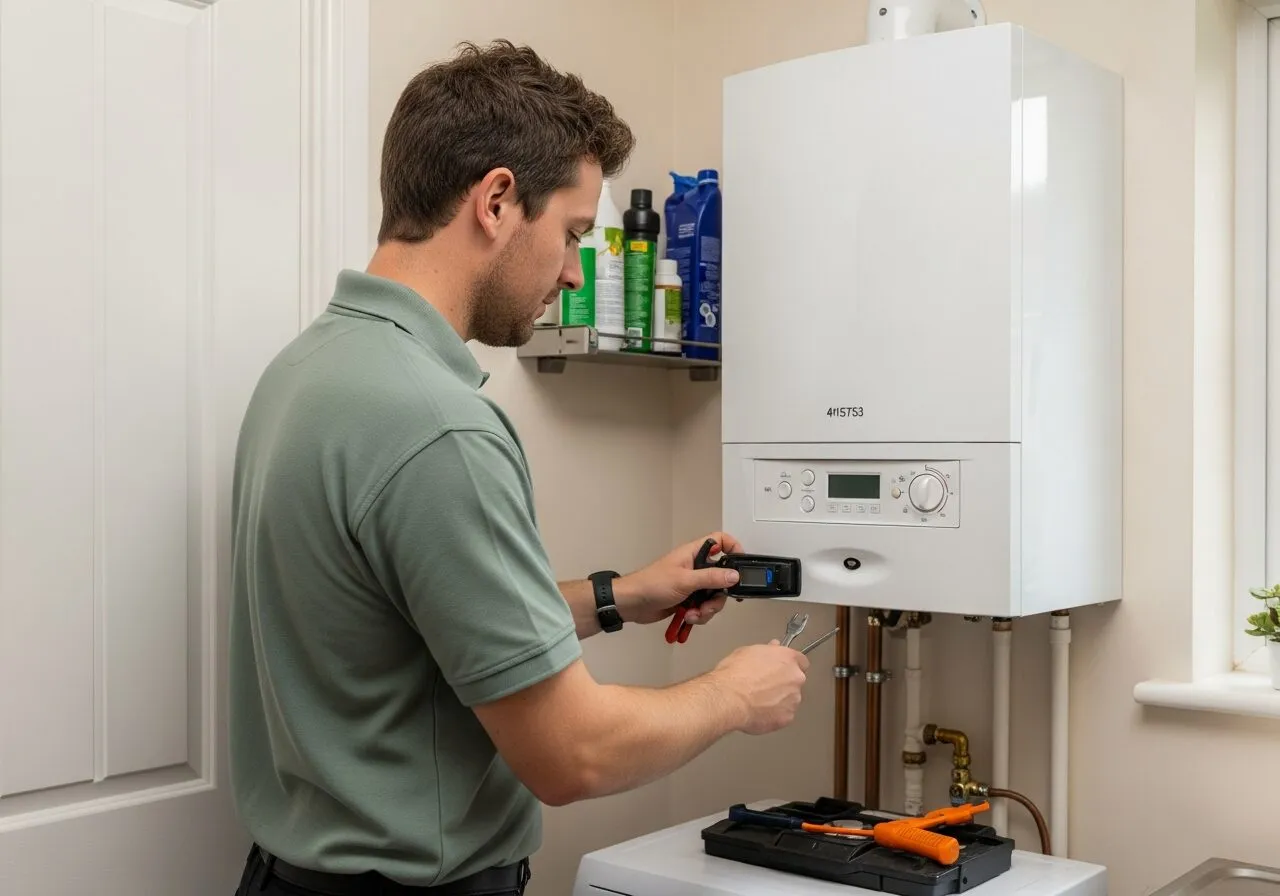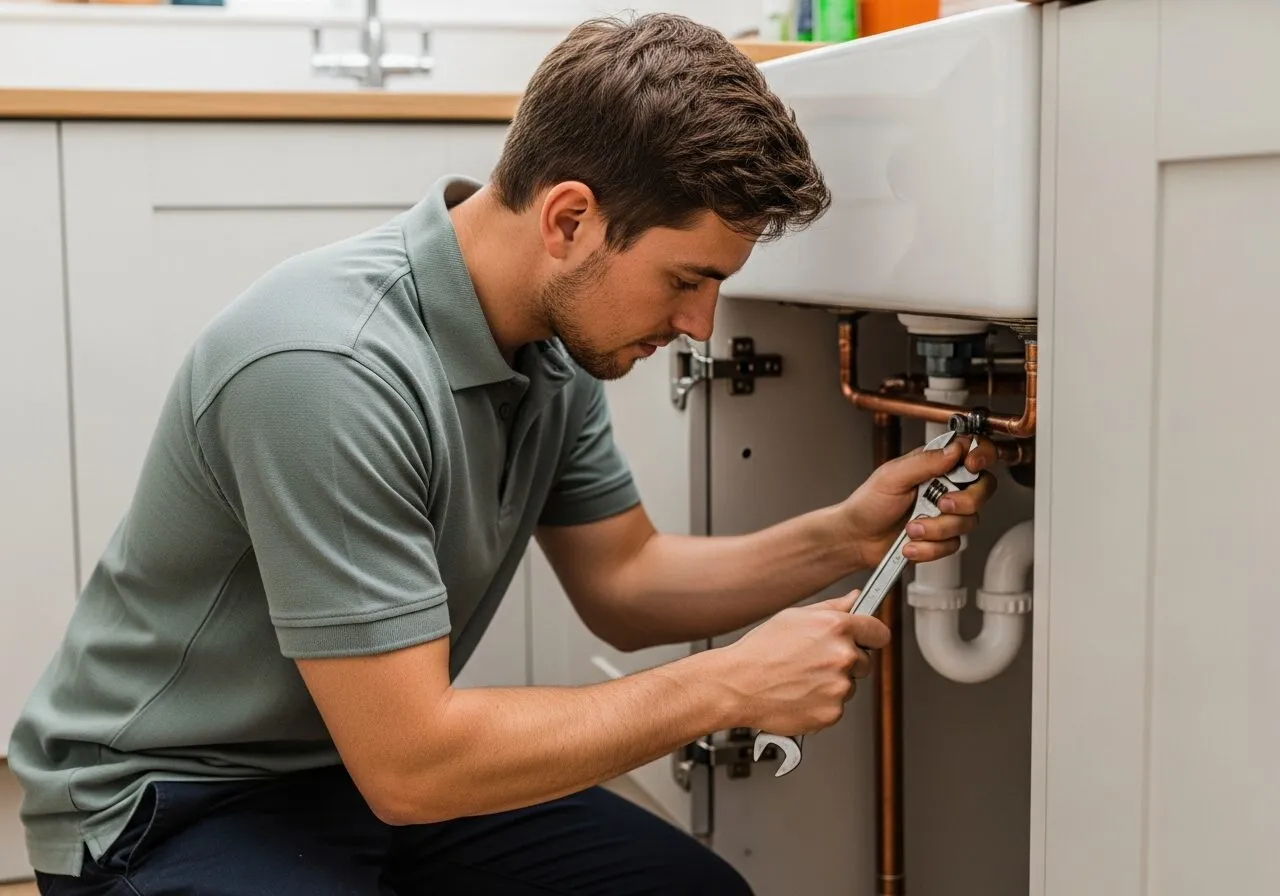
If water is pooling around an outside gully or backing up after you run a sink, washing machine or shower, there is usually a partial blockage somewhere in the waste line. In London and Surrey homes, that can be caused by leaves, silt, food waste, fat or a blockage further along in older drains.
The key is to act early. A slow-draining gully is far easier to deal with than one that has already overflowed into a small yard, side return or shared access path.
What an outside gully does
An outside gully is the drain point that collects wastewater from parts of the house before it passes into the underground drainage system. Depending on the property, it may take water from a kitchen sink, utility room, washing machine, bathroom or an extension built onto an older drain layout.
Many period and terraced homes in London and Surrey have older external gullies tucked into side returns, rear patios or narrow passageways. In flat conversions, it can also be less obvious which waste pipe serves which part of the building, which makes early signs of a blockage worth paying attention to.
A properly working gully should let water pass away steadily. If it starts to drain slowly, smells unpleasant or rises when appliances discharge water, that usually means debris is restricting flow either at the gully itself or further down the line.
Common causes: leaves, silt and cooking fat
The simplest blockages are often right at the top of the gully. Fallen leaves, moss, mud, silt and general garden debris can collect under the grate, especially in small gardens where pots, soil and surface runoff regularly wash towards one drain point.
Kitchen waste is another common cause. Even when the gully is outside, the blockage may start inside the pipe where fat, oil and grease from washing up cool and stick to the pipe walls, catching food scraps and gradually narrowing the waste line.
In older housing stock, rougher internal pipe surfaces and older drain runs can make build-up happen faster. Hard water in many London and Surrey areas can also contribute to scale inside pipework, which gives grease and debris more to cling to over time.
- Water rising in the gully when a sink or washing machine empties
- Bad smells near the back door, patio or side return
- Slow draining indoors alongside outdoor overflow
- Debris visible under the grate
- Repeated backing up after rain or household water use
How to clear a gully yourself safely
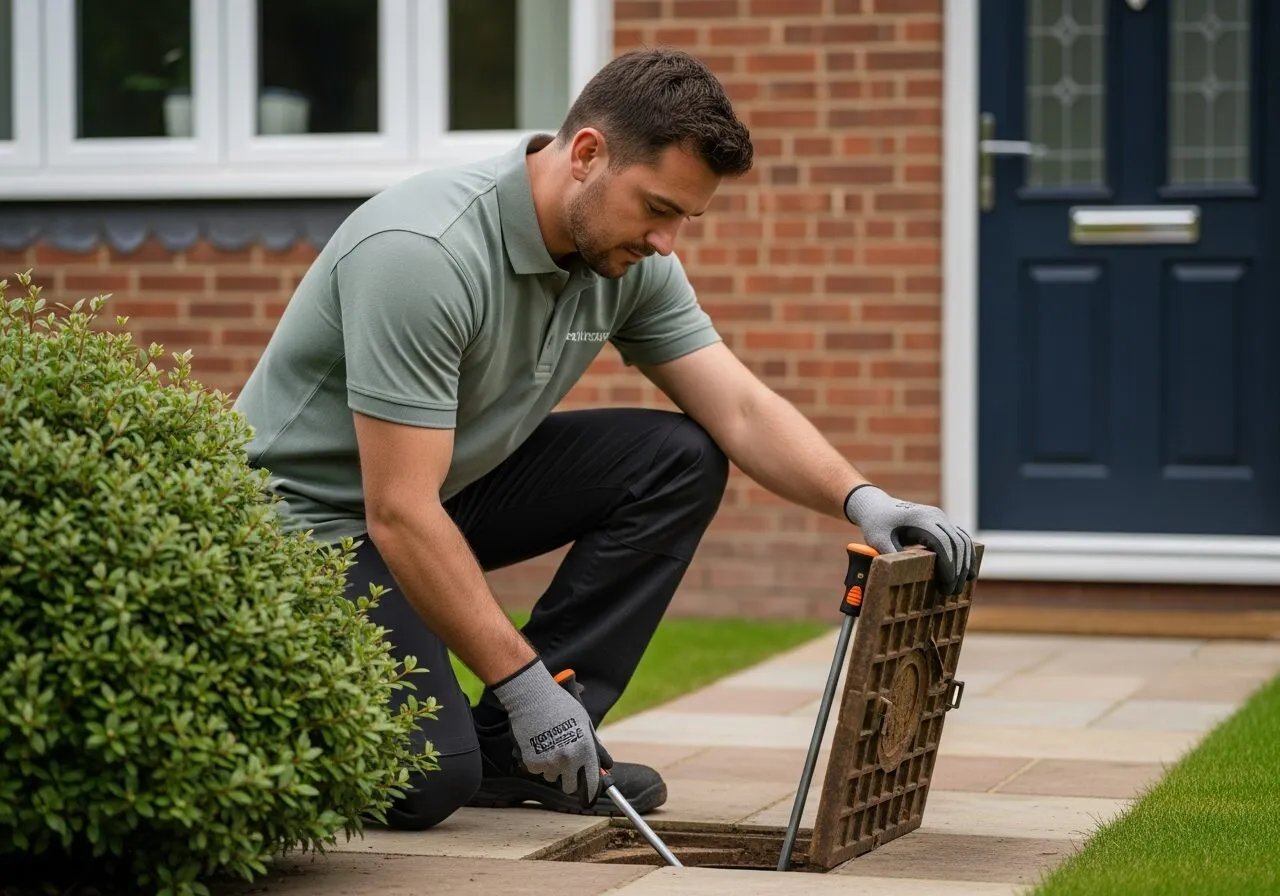
If the blockage appears to be near the top of the gully, a careful clean-out is often worth trying. Wear waterproof gloves and old clothes, and use a bucket or heavy-duty bag for waste. If wastewater has already overflowed, keep children and pets away until the area is cleaned.
Lift the grate if it can be removed safely, then clear out leaves, silt and any visible sludge by hand or with a small scoop. Once the top section is clear, pour through a controlled amount of hot water from a kettle mixed with normal tap water rather than using boiling water directly, especially if you are unsure of the pipe material.
A simple drain rod or hand auger may help if the blockage is just beyond the gully. Work gently and stop if you meet firm resistance, because forcing rods can compact the blockage, dislodge joints in older pipework or push the problem further along.
- Do not mix drain chemicals, especially if one product may already have been used
- Do not put your hand deep into standing wastewater where broken objects may be hidden
- Do not keep forcing water through if the level is rising quickly
- Do not remove covers to deeper drains unless you can do so safely and understand what you are opening
Signs the blockage is further down the drain
If the gully looks clear at the top but still fills up whenever water is discharged inside, the obstruction is likely further down the branch waste or underground drain. This is common where several appliances feed one line, or where older terraced homes have long runs to the main drain.
You may also find that more than one fixture is affected. For example, the kitchen sink may empty slowly, the washing machine may cause bubbling or backing up outside, and the gully may remain full for some time after use.
Access can be a practical issue in London and Surrey properties. Rear access may be limited, drains may run beneath extensions or patios, and on-street parking can make equipment access harder to arrange, so it helps to report symptoms clearly and early if professional help is needed.
When to call a professional
Call a professional if the gully repeatedly overflows, multiple fixtures are slow to drain, foul smells keep returning or your own clearing attempt has not restored proper flow. The same applies if you suspect a collapsed drain, root ingress or a blockage beyond the immediate gully trap.
CS Services is currently taking enquiries for drainage work in London and Surrey ahead of launch shortly. Drainage is advertised as coming soon, and enquiries are welcome if you need advice on an outside gully problem or want to arrange help as soon as bookings open.
If wastewater is backing up into the home, overflowing near a shared path or causing a hygiene concern, do not leave it to worsen. Early action usually limits mess, helps narrow down the cause and can reduce the chance of repeated blockages.
Key Takeaways
- An outside gully carries wastewater from the house into the drain system.
- Leaves, silt and cooking fat are common causes of overflow.
- You can safely clear visible debris at the top of the gully.
- If the gully is clear but still backs up, the blockage may be further down.
- Repeated overflow, bad smells or multiple slow drains mean it is time to seek professional help.
Frequently Asked Questions
Is an outside gully the same as a surface water drain?
Not always. An outside gully usually takes wastewater from inside the house, such as sinks or appliances, while a surface water drain deals with rainwater. On older properties, layouts can be less obvious, so it is worth checking before assuming the source.
Can I use caustic drain cleaner on an overflowing gully?
It is usually better to start with physical clearing of visible debris. Chemical cleaners may not shift leaves or silt, and they can create a safety risk if the drain is already full or if different products are mixed.
Why does the gully overflow when the washing machine empties?
That usually points to a restriction in the waste line serving that appliance or a shared drain run. The washing machine discharges water quickly, which can make a partial blockage show up faster than a slow-running tap.
Can fallen leaves really block a drain that badly?
Yes. Leaves often mix with mud, moss and grease to form a dense mass under the grate or in the trap. In small courtyards and side returns, one neglected gully can block surprisingly quickly.
When should I stop trying to clear it myself?
Stop if the water level rises rapidly, if you cannot get beyond the top debris, if several drains in the house are affected or if you suspect the blockage is in the underground run. At that point, a professional assessment is the safer option.