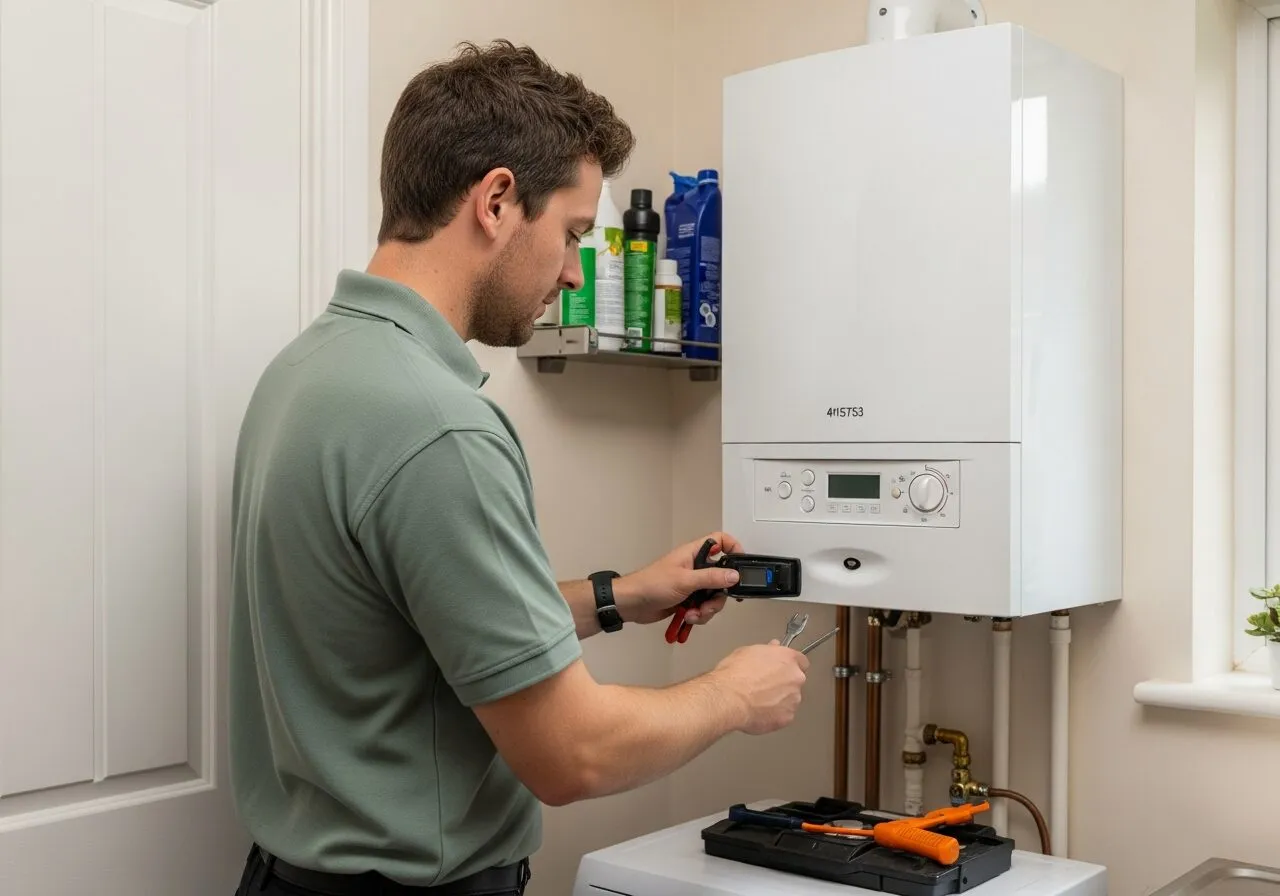
A radiator that is warm at the bottom and cold at the top often needs bleeding, especially at the start of the heating season or after work has been carried out on the system. Letting trapped air out can restore heat quickly, but it is not a cure for every radiator problem.
In London and Surrey homes, heating systems vary widely. Period terraces, converted flats and older pipework can all affect how well radiators heat up, and limited storage or tight layouts often mean faults go unnoticed until a room stays stubbornly cold.
This guide explains how to bleed a radiator safely, what symptoms point to a different fault, what to do if pressure drops afterwards, and when it is sensible to bring in a professional.
How to bleed a radiator step by step
Before you start, turn the heating off and let the radiators cool down. Bleeding a hot radiator is messier, less safe and can give an unreliable result because water and air are still moving around the system.
You will usually need a radiator key, a cloth and a small container or towel to catch any drips. Open the bleed valve slowly at the top corner of the radiator by turning it anticlockwise just enough to hear air escaping.
Keep the cloth under the valve and wait. Once the hissing stops and a steady trickle of water appears, close the valve firmly but do not overtighten it.
Work through the radiators one by one if more than one feels cold at the top. When finished, turn the heating back on and check whether the radiator now heats evenly from top to bottom.
- Switch the heating off first
- Let the radiator cool
- Use a radiator key and open the valve slightly
- Release air until water runs steadily
- Close the valve securely
- Check the system again once the heating is back on
Cold at the top or cold at the bottom: what the difference means
A radiator that is cold at the top and warm lower down usually has trapped air inside it. In that case, bleeding is the right first step and often solves the problem without anything more involved.
A radiator that is warm at the top but cold at the bottom usually points to sludge, rust debris or a circulation problem rather than trapped air. Bleeding it may release a little air if some is present, but it will not clear a build-up sitting in the base of the radiator.
This distinction matters in older London and Surrey properties where heating systems may have ageing radiators and pipework. Hard water in many local areas can also contribute to ongoing system issues over time, particularly if maintenance has been inconsistent.
If only one radiator stays cold at the bottom, that radiator may need further attention. If several radiators are slow to heat, the issue may be elsewhere in the system, such as balancing, circulation or wider internal build-up.
What to do if pressure drops after bleeding
If you have a sealed heating system, bleeding radiators can reduce the boiler pressure because you have let air and a small amount of water out. A small drop is common, but if pressure falls too far the heating may not run properly until it is topped back up.
Check the pressure gauge on the boiler once you have finished bleeding. The correct operating pressure varies by boiler and manufacturer, so use the boiler manual if you have it rather than guessing.
Many homeowners can safely top up pressure using the filling loop, but only if they understand their own system and follow the manufacturer guidance. If you are unsure which valves to use, if the pressure keeps dropping, or if water appears around the boiler or pipework, stop and get professional advice.
Repeated pressure loss is a sign that bleeding was not the full issue. It can point to a leak, a faulty expansion vessel, a problem with the pressure relief valve or another fault that needs proper diagnosis.
Signs bleeding will not solve the problem
Some heating faults look similar at first but need a different fix. If you bleed a radiator and the same room still does not warm up properly, look at the wider pattern rather than repeating the same step.
Persistent cold patches, noisy pipework, frequent pressure loss or radiators that heat unevenly every few weeks all suggest that trapped air is only part of the story or not the cause at all. In converted flats and terraced homes, access to pipe runs can be awkward, which makes early diagnosis more important before a minor issue becomes disruptive.
- The radiator is cold at the bottom rather than the top
- The boiler pressure keeps dropping after topping up
- You have to bleed the same radiator repeatedly
- Several radiators are underperforming at once
- There are leaks, staining or damp patches near valves or pipework
- The heating system makes banging, gurgling or circulation noises even after bleeding
When to call an engineer
Call for help if bleeding does not restore even heat, if you are dealing with repeated pressure loss, or if you suspect sludge, circulation faults or leaks. Those are not jobs to guess at, especially in older properties where pipework alterations over the years may have made the system less straightforward than it looks.
It is also sensible to get help if a bleed valve is stuck, starts leaking, or looks corroded. For people in flats or homes with limited outside access and on-street parking, arranging a visit before the system fails completely can save a lot of inconvenience in winter.
CS Services provides plumbing across London and Surrey and can help diagnose radiator and heating-related plumbing issues, with no call-out fee and pricing agreed before work begins. If the issue turns out to need heating-specific work, enquiries are also welcome ahead of that service launching shortly.
Key Takeaways
- Cold at the top usually means trapped air and bleeding may help.
- Cold at the bottom usually points to sludge or circulation issues.
- Always bleed radiators with the heating switched off and cooled down.
- A pressure drop after bleeding may need topping up on sealed systems.
- Repeated pressure loss or recurring cold spots need professional diagnosis.
Frequently Asked Questions
How do I know if my radiator needs bleeding?
The usual sign is a radiator that is cold at the top and warmer lower down. You may also hear light gurgling from trapped air inside the system.
Should I bleed radiators with the heating on or off?
Turn the heating off first and let the radiators cool. That is safer and gives a more accurate result because air is not being pushed around the system while you work.
Why is my radiator still cold after bleeding it?
If it stays cold at the bottom or does not heat evenly afterwards, the problem may be sludge, poor circulation, balancing issues or a valve fault rather than trapped air.
Is it normal for boiler pressure to drop after bleeding a radiator?
A small drop can be normal on a sealed system because some air and water have been released. If pressure falls too low, follow the boiler guidance for repressurising, and if it keeps dropping, get it checked.
Can I keep bleeding the same radiator if the problem comes back?
You can bleed it again if it has gone cold at the top, but if the same radiator repeatedly fills with air there is likely to be an underlying fault. Repeated bleeding is a sign to investigate further.