Heating systems in London and Surrey homes often work harder than people realise. Older boilers, period pipework, hard water and the layout of converted flats or terraced houses can all affect reliability, efficiency and heat distribution.
The useful approach is simple: spot problems early, deal with the safe basics yourself, and call a qualified engineer when the issue moves beyond routine checks. That helps you avoid wasted time, repeated resets and preventable damage.
This guide covers the warning signs to look for, what you can safely check at home, and when professional heating support is the sensible next step.
Early signs your heating system needs attention
Many heating problems start with small changes rather than a complete breakdown. A radiator that takes longer to warm up, a boiler that has become noisier, or hot water that is less consistent can all point to an underlying fault.
Uneven heating is especially common in older London and Surrey properties. Long pipe runs, extensions added over time, loft conversions and flat conversions can all leave parts of the system harder to balance properly.
- Radiators warm at the bottom but stay cool at the top
- Some rooms heat properly while others remain cold
- Boiler pressure drops repeatedly
- Boiler makes banging, gurgling or whistling noises
- Hot water temperature fluctuates
- Heating takes much longer than usual to come on
- You need to reset the boiler more than once
Safe checks a homeowner can do
There are a few basic checks that are safe and sensible before you arrange a visit. These will not fix every issue, but they can help rule out simple causes and give you clearer information if you need to speak to an engineer.
Always use the boiler manual for your specific model and never remove the boiler casing. If you smell gas, do not try to investigate further inside the appliance.
- Check the thermostat settings and timer schedule, especially after a power cut or seasonal change
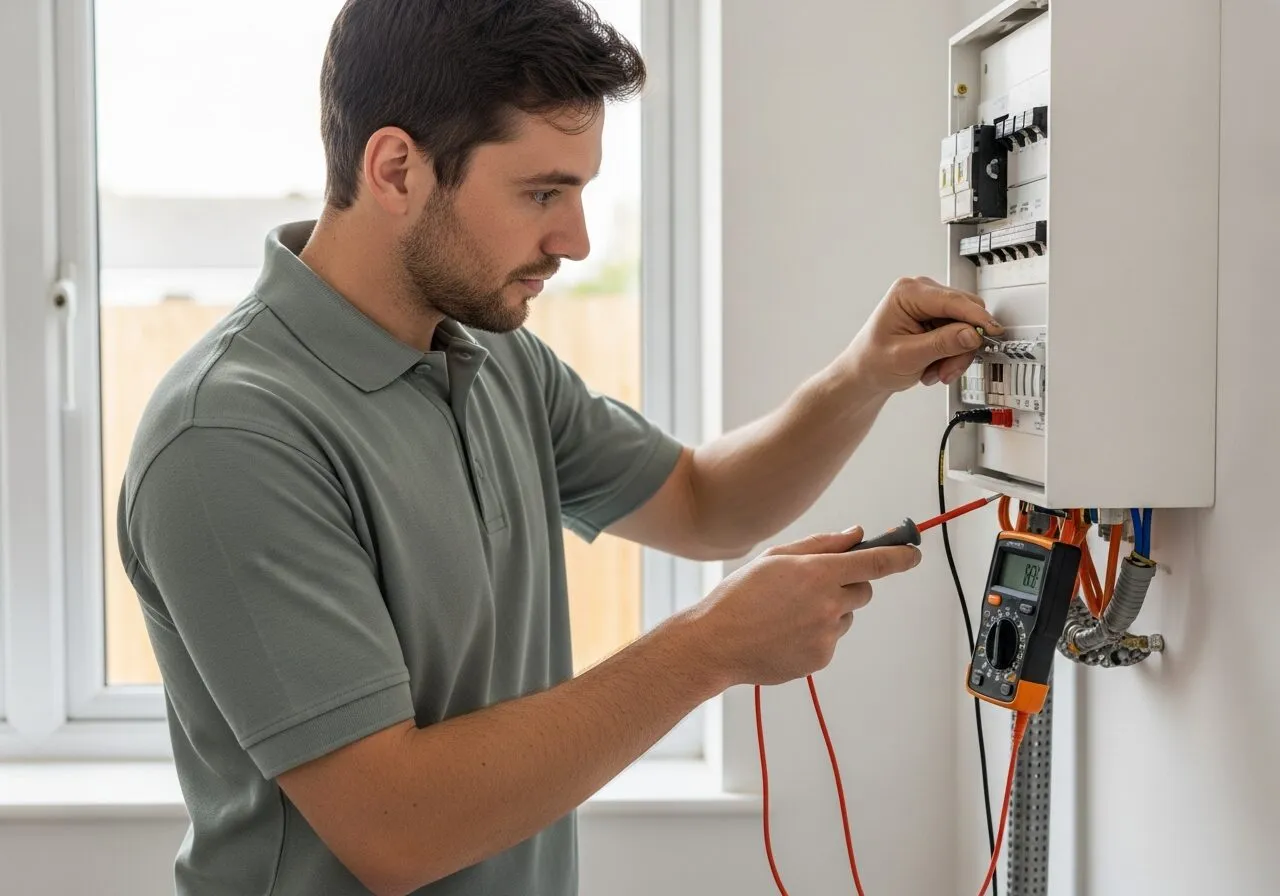
- Make sure the boiler has power and has not tripped at the fused spur or consumer unit
- Look at the pressure gauge if your system has one and check whether it is outside the normal range shown in the manual
- Bleed radiators that are cold at the top, using care and a cloth to catch water
- Check radiator valves are open and have not been turned down accidentally
- Confirm condensate pipework has not frozen in very cold weather if your boiler manual mentions this
- Note any fault code on the boiler display before calling for help
Problems common in London and Surrey homes
Local housing stock creates its own heating issues. Victorian and Edwardian houses, post-war terraces, converted flats and newer extensions often have mixed pipework, ageing controls or systems altered in stages over many years.
Hard water is another local factor. It can contribute to scale build-up in parts of the heating and hot water system, which may affect efficiency and component life over time, particularly where maintenance has been inconsistent.
Access also matters more than many homeowners expect. In terraced streets, controlled parking zones, basement plant areas, loft boiler locations and narrow side returns can all affect how quickly work can be assessed and carried out.
- Older radiators may hold sludge and heat poorly
- Converted flats may have awkward pipe routes and hard-to-balance systems
- Loft or cupboard boilers can be harder to inspect and maintain if access is restricted
- Hard water areas can increase wear in system components
- Small gardens and rear access constraints can affect external pipework or condensate routing
When to call a professional heating engineer
Call a professional if the boiler keeps losing pressure, making unusual noises, shutting down, showing fault codes, leaking, or failing to provide reliable heating or hot water. Repeated resets are not a solution and can delay proper diagnosis.
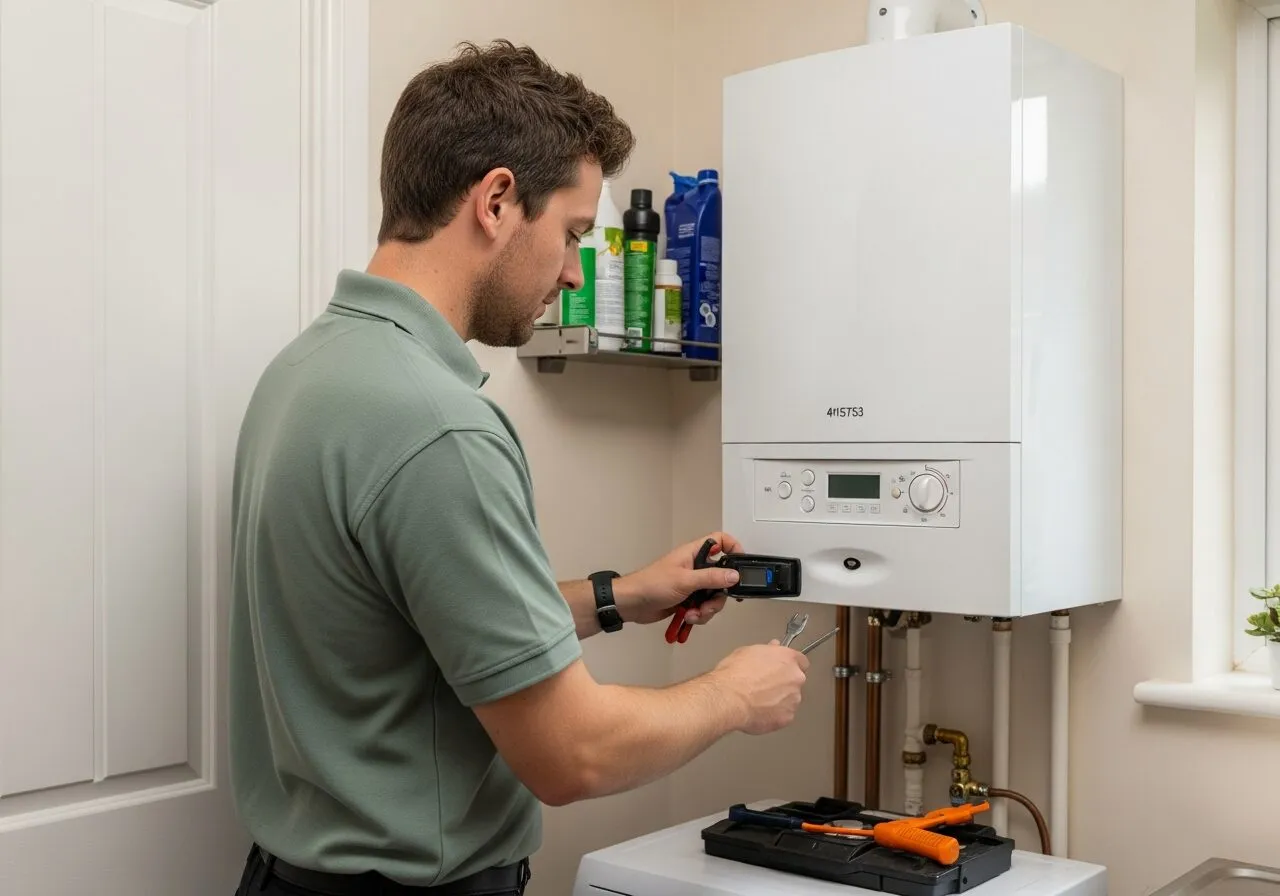
Any work involving gas appliances, combustion, flues or opening the boiler casing should be left to a qualified engineer. CS Services carries out heating work across London and Surrey, and engineers who carry out gas and heating work are Gas Safe registered.
Professional help is also worth arranging if the system has never seemed to heat the property evenly. In many homes, the problem is not one failed part but a combination of poor balance, ageing controls, sludge, scale or worn components.
How to reduce breakdown risk and wasted heating
Routine maintenance and a few good habits make a noticeable difference. Heating systems usually give warning signs before they fail completely, but those signs are often missed because the system still works well enough most of the time.
A regular boiler service and prompt attention to small faults help keep the system safer, more reliable and easier to diagnose. If you need support, CS Services offers transparent pricing with no call-out fee, and the price is agreed with the customer before work begins.
- Arrange annual boiler servicing rather than waiting for a fault
- Bleed radiators when needed and note any that repeatedly fill with air
- Do not ignore small leaks around valves or pipe joints
- Pay attention to pressure loss, noise changes and slower warm-up times
- Keep access clear around the boiler, controls and key pipework
- Have controls checked if rooms are regularly overheating or staying cold
Key Takeaways
- Small changes in heat output, pressure or noise often appear before a breakdown.
- You can safely check settings, power, pressure and radiator air, but not internal boiler components.
- Older London and Surrey homes often have balancing, sludge and access issues.
- Repeated resets, leaks, fault codes and pressure loss need professional attention.
- Annual servicing helps catch faults earlier and reduce disruption.
Frequently Asked Questions
Why are some radiators hot and others cold?
Common causes include trapped air, sludge, balancing issues or partially closed valves. In older or altered properties, pipe layout can also make heat distribution uneven. Start by bleeding the affected radiators and checking the valves, but call a professional if the problem persists.
Is it safe to reset my boiler?
A single reset in line with the boiler manual may be reasonable, but repeated resets are not a fix. If the boiler keeps locking out, there is usually an underlying fault that needs proper diagnosis.
What should I do if my boiler pressure keeps dropping?
Check the gauge against the guidance in the boiler manual and look for obvious signs of a leak around radiators or exposed pipework. If the pressure keeps falling, arrange a professional inspection rather than topping it up repeatedly.
Does hard water affect heating systems in London and Surrey?
Yes, hard water can contribute to scale build-up, which may reduce efficiency and increase wear on some components over time. It is one reason regular servicing and early attention to performance changes are important in this area.
When should I book a boiler service?
Once a year is the sensible baseline for most homes. Annual boiler servicing is charged at a fixed price of £130, with the price agreed before work begins.
How is heating work priced by CS Services?
Heating work is charged from £120 per hour, with a 1-hour minimum charge and billing in 15-minute increments after that. There is no call-out fee, rates exclude VAT, materials are charged at trade price plus 30%, and payment is taken by card on completion unless you are a regular or maintenance customer paying by monthly Direct Debit.