For many London and Surrey homeowners, charging at home is the simplest way to run an electric vehicle. If you have off-street parking, the job is often manageable, but the ease of installation depends on your electrical supply, consumer unit, cable route and where the car is parked.
Older housing stock can make the planning stage more important. Period terraces, converted flats, narrow side returns and small front gardens can all affect how the charger is fitted and whether extra electrical work is needed first.
The safest approach is to understand the constraints before you choose a charger or book an installer. That helps you avoid wasted time, poor charger placement and avoidable remedial work.
Start with the electrical supply and parking layout
Before anything else, check whether your parking arrangement actually suits home charging. A charger works best where the car can be parked consistently in the same place, close enough for a practical cable run without creating a trip hazard across a path or pavement.
Then look at the age and condition of the electrical installation. In older London and Surrey homes, especially period properties and conversions, the incoming supply and consumer unit may need assessment before a charger can be added safely.
A homeowner can do some basic early checks. Find your meter and consumer unit, note whether there is spare capacity for a new circuit, and look for obvious signs of age or damage such as outdated fuse boards, scorch marks, loose covers or repeated tripping.
If the charger position would require cable to cross a neighbour's land, pass through a communal area or run a long distance from the supply, raise that at the start. Those details often determine whether the job stays simple or needs a different approach.
- Check that the vehicle can be parked off-street without blocking access
- Identify where the meter and consumer unit are located
- Look for a sensible cable route from the supply to the parking space
- Flag any terraced frontage, basement meter position or flat conversion early
- Call a professional if your electrics are old, altered over time or showing faults
Choose the charger around how you actually use the car
Most homeowners do not need the most complex charger on the market. The right choice depends on your daily mileage, how long the car is usually parked at home, whether more than one person will charge there, and how exposed the location is to weather or accidental knocks.
Placement matters as much as the charger itself. A unit mounted neatly on the wrong wall can leave you stretching the cable across a path, reversing awkwardly onto the drive or leaving connectors close to gates and bins.
In smaller front gardens and short driveways, think about door opening space and where the charging lead will fall when connected. In terraced homes, getting this wrong can make everyday use inconvenient very quickly.
- Choose a location that lets the cable reach the car without strain
- Think about who parks where if there is more than one vehicle
- Avoid positions where the charger is likely to be hit by doors or bumpers
- Consider whether the unit will be easy to use in poor weather or low light
- Ask before buying if extra electrical upgrades are likely to be required
What installation day usually involves
On the day, the installer will usually confirm the agreed charger position, cable route and connection method before work starts. This is the point to raise any final concerns about appearance, access or how the cable will enter the property or run externally.
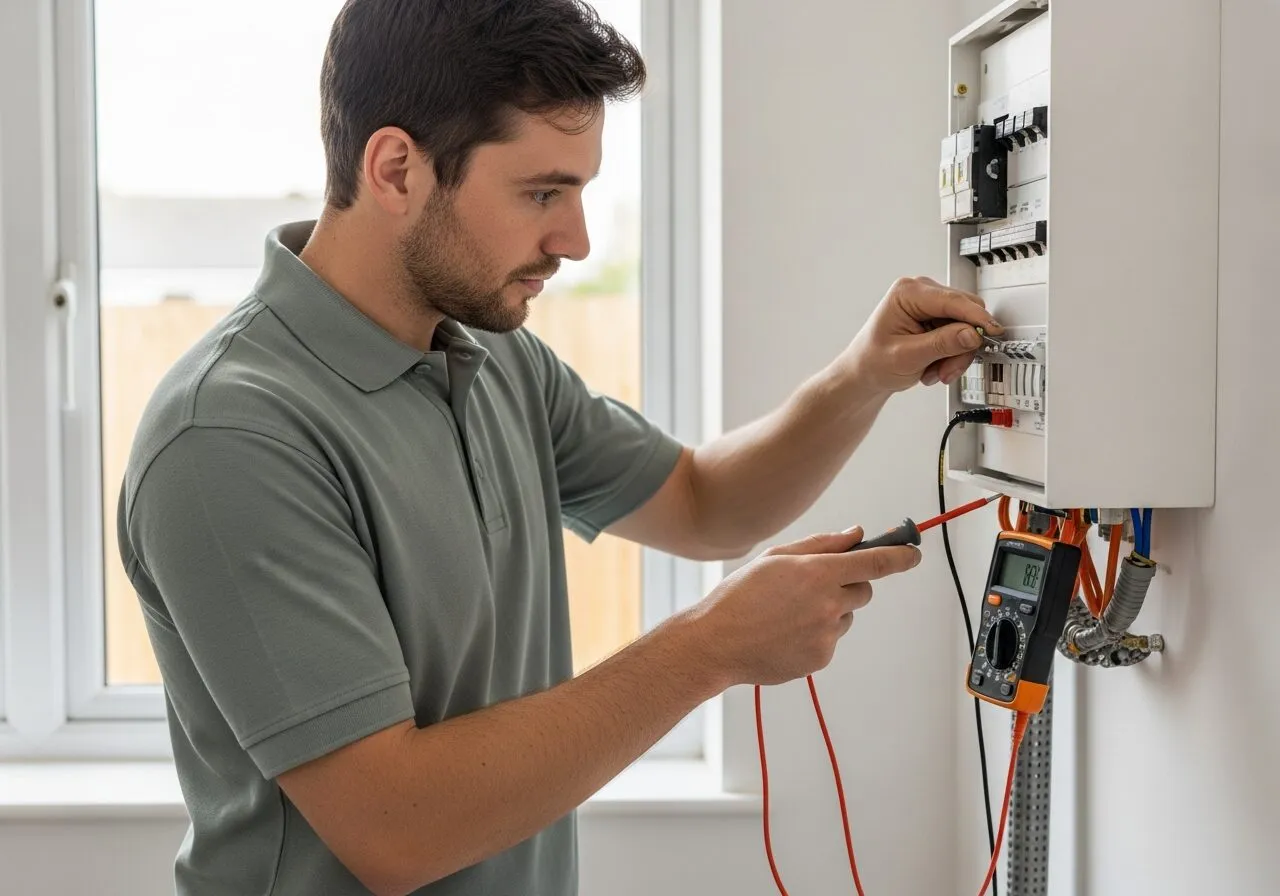
A typical installation involves isolating the supply, fitting a dedicated circuit, mounting the charger, running and securing cable, making the electrical connections and carrying out testing. There may also be some drilling through external walls and some surface-mounted containment where concealed routes are not practical.
In many homes, the work is completed without major disruption, but do expect some dust, temporary power interruption and visible cable runs unless a more involved route has been agreed. Converted properties and older buildings can take longer if access is tight or the existing electrics need correction first.
You should not attempt any wiring yourself. What you can do safely is clear access around the consumer unit, meter and parking space, move stored items away from the work area and make sure the installer can inspect the full route easily.
Problems to spot early before they delay the job
The most common delays come from access, not from the charger itself. Tight side passages, blocked meter cupboards, fragile decorative finishes, shared supplies in conversions and uncertain cable routes all need sorting out in advance.
Some properties also have parking layouts that look workable until the lead is actually in use. If the car sits partly on the pavement, right up against a boundary wall or in a communal bay, the charger may end up impractical even if it can technically be installed.
Where the home has had extensions, loft conversions or repeated electrical alterations, assume nothing. A professional inspection is the right step if circuit labelling is unclear, previous work looks untidy or the installation history is uncertain.
- No obvious route from the consumer unit to the charger position
- Consumer unit looks full, outdated or poorly labelled
- Meter is far from the driveway or difficult to access
- Parking position changes often or is not fully within your boundary
- The property is a flat conversion with shared or communal electrical areas
If you park on the street or live in a flat
Home charging is harder where there is no private off-street parking. Running a cable across a public pavement is not a practical or safe everyday solution, and in many streets it will not be acceptable at all.
Flat-dwellers face different constraints. In purpose-built blocks and conversions, the issue is often less about the charger and more about ownership, permissions, meter locations, communal electrics and whether there is a dedicated parking bay linked to your flat.
If you live in a flat, start by checking your parking rights and who controls the electrical and parking areas. In a conversion, there may be limited space for new circuits and very little tolerance for visible cable routes through shared parts of the building.
Where private charging is not realistic, the practical alternative is usually to plan around local public charging and destination charging rather than forcing a poor home setup. That may sound less ideal, but it is better than paying for an installation that is awkward, disputed or rarely usable.
When to get professional advice
Call a qualified electrician as soon as you know you are considering home charging if the property is older, the parking arrangement is awkward or the existing electrics are uncertain. Early advice is especially useful in London and Surrey homes with period features, narrow access and later alterations.
CS Services can help homeowners think through electrical work properly before installation, including the practical constraints of the property and the likely scope of the job. Electrical services are launching shortly, and enquiries are welcome ahead of launch.
Key Takeaways
- Check the electrical supply and parking layout before choosing a charger
- Older homes and conversions often need closer assessment first
- Good charger placement matters as much as the unit you buy
- Do not attempt the wiring yourself
- On-street and flat-based charging usually need a different plan
Frequently Asked Questions
Can I install an EV charger if I have a driveway but an older house?
Often yes, but older electrics need checking first. The main questions are whether the supply and consumer unit can support a new dedicated circuit safely, and whether there is a practical cable route to the parking space.
What can I do myself before asking for a quote?
You can identify where the meter and consumer unit are, take clear photos, measure the distance to the parking space and note any access issues. You should not carry out any electrical alteration or open equipment that is not designed for user access.
Can I run a charging cable across the pavement from my house?
As a day-to-day solution, that is usually not a sensible option. It creates safety and access issues, and on-street properties generally need a different charging strategy.
Do flats and converted houses have different issues?
Yes. The main complications are usually permissions, communal areas, shared supplies, meter positions and whether you have a dedicated parking bay that can realistically be linked to your flat.
Is the charger location really that important?
Very much so. A badly placed charger can make daily charging awkward, create trip risks and leave the cable stretched or poorly protected, even if the electrical installation itself is sound.