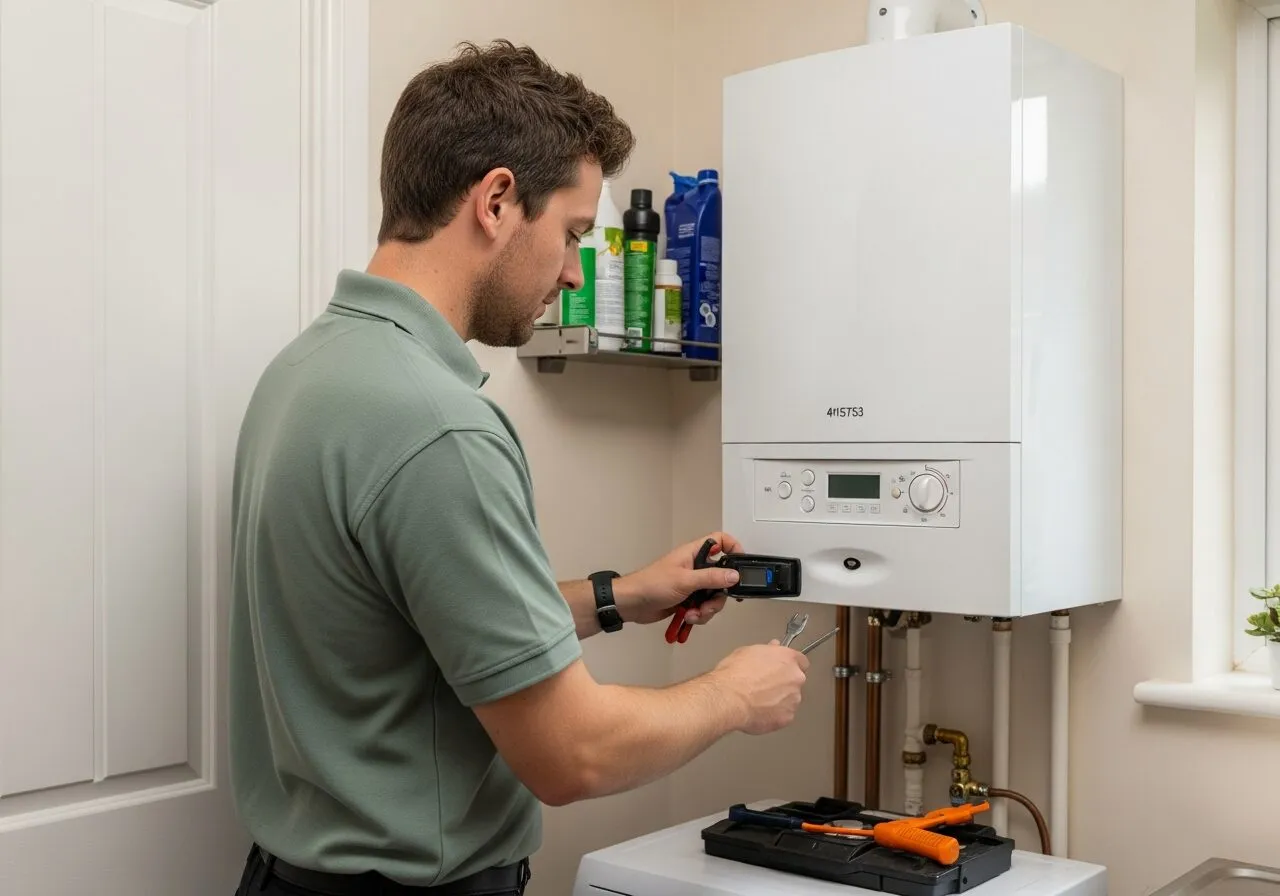
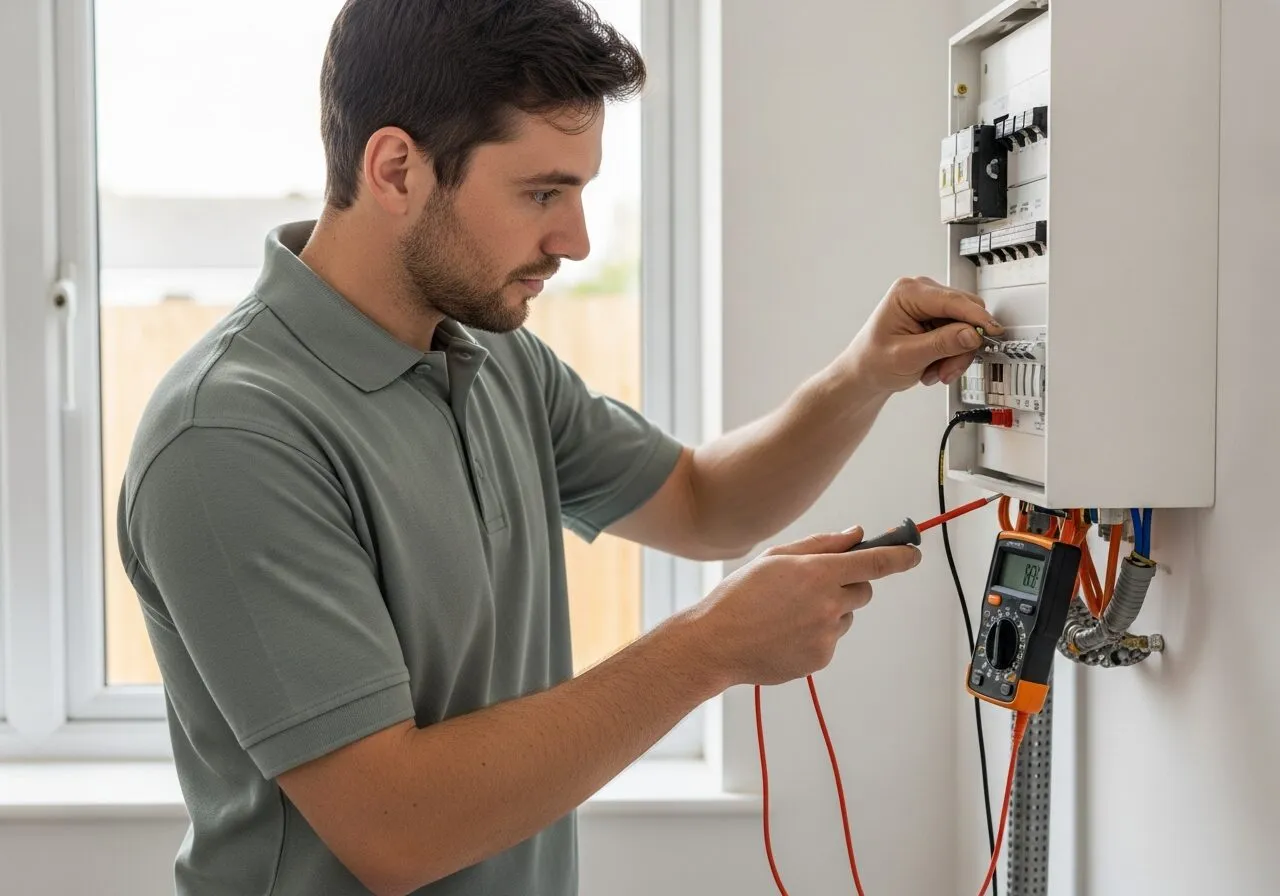
Many homes across London and Surrey still have older fuse boxes, especially in period houses, flat conversions and properties that have been altered room by room over time. They may still switch the power on and off, but that does not mean they offer the level of protection now expected in a modern installation.
A consumer unit upgrade is usually about safety, not appearance. Modern boards are designed to disconnect dangerous faults much faster, reduce the risk of electric shock, and limit how much of the home loses power when there is a problem on one circuit.
If your property has rewireable fuses, a dated split-load board or signs of overheating around the electrical panel, it is worth getting it assessed by a qualified electrician. CS Services is currently advertising electrical services as coming soon, and enquiries are welcome ahead of launch.
Why old fuse boxes get replaced
Older fuse boxes often rely on fuse wire or outdated protective devices that do a basic job but fall short of modern expectations. In practical terms, that can mean slower fault disconnection, less protection against electric shock, and a greater chance that one fault takes out large parts of the property.
This matters in London and Surrey homes where electrical systems have often been extended over decades. Loft conversions, rear extensions, garden rooms and converted flats can leave an older board trying to serve more circuits and more appliances than it was originally intended for.
- Rewireable fuses that use fuse wire rather than modern resettable devices
- No RCD protection, or limited RCD protection on only part of the installation
- Cracked casing, scorch marks, buzzing, heat damage or a burnt smell near the board
- Frequent tripping when using modern appliances such as showers, ovens or electric heating
- A board that has no spare capacity after previous alterations
Fuse wire compared with RCBO protection
A traditional fuse protects mainly against overcurrent by melting when too much current flows. That can prevent cable damage, but it does not offer the same level of personal protection that modern devices provide, and replacing blown fuse wire is not a job most homeowners should attempt.
A modern consumer unit will often use RCBOs. An RCBO combines overcurrent protection with residual current protection, so it can disconnect power both when a circuit is overloaded and when electricity may be leaking to earth in a way that could cause electric shock.
For a homeowner, the difference is felt in two main ways. First, faults are picked up more effectively. Second, if one circuit develops a problem, only that circuit is likely to trip rather than half the house or the whole property.
- Fuse wire usually needs manual replacement after a fault
- MCBs and RCBOs can usually be reset once the fault has been dealt with
- RCBOs help isolate faults to individual circuits
- Modern protection is especially useful in kitchens, bathrooms, outdoor sockets and garden buildings
What the regulations expect now
Electrical regulations change over time as safety standards improve. A board fitted years ago is not automatically unsafe just because it is old, but any new consumer unit installation must meet current requirements in force at the time the work is done.
Current expectations typically include better fault protection, proper circuit identification, suitable enclosure standards and testing of the installation connected to the new board. In many cases, fitting a new consumer unit also reveals existing faults elsewhere that need correcting before the installation can be signed off.
That is one reason upgrades should not be viewed as a simple box swap. In older terraced houses and flat conversions, shared walls, historic alterations and limited access can all affect what is found once testing begins.
- Do not judge safety by appearance alone
- A newer board cannot compensate for unsafe wiring elsewhere in the property
- Additions such as outside power, showers and cooker circuits often increase the need for improved protection
- In converted flats, the arrangement for meter cupboards and communal access may affect planning of the work
What an upgrade usually involves
The first step is inspection and testing. An electrician needs to assess the existing installation to see whether the wiring, earthing and bonding are suitable for a new consumer unit and to identify faults that may need attention first.
On the day of the upgrade, the power will normally be turned off while the old board is removed and the new one fitted. Circuits are transferred, labelled and tested, and the electrician checks that protective devices operate correctly before the supply is fully restored.
In London and Surrey properties, practical issues often matter more than homeowners expect. Parking restrictions, basement meter positions, narrow hallways, flat access arrangements and previous DIY alterations can all affect the time needed and whether further remedial work is required.
- Check clear access to the existing fuse box or consumer unit
- Make a note of any circuits that already trip or sockets and lights that do not work properly
- Tell the electrician about extensions, outbuildings, electric showers, cookers and any recent alterations
- Plan for a period without power, including internet routers, alarms and refrigerated food
- Do not remove covers or try to tighten connections yourself
What you can check yourself and when to call a professional
Homeowners can do some basic checks safely without opening the unit. Look for clear labelling, obvious physical damage, repeated tripping, or signs that extension leads are being used because the existing circuits no longer suit how the home is used.
You should call a qualified electrician if the board contains old-style rewireable fuses, if circuits trip repeatedly, if there is heat damage or buzzing, or if you are planning renovation works. The same applies if you are buying an older property in London or Surrey and want to understand the condition of the installation before further spending.
- Safely press the test button on an RCD only if the manufacturer instructions allow and you know how to restore power afterwards
- Record when faults happen, which circuit trips and what appliances were in use
- Stop using any socket, switch or circuit that shows burning, cracking or overheating
- Seek urgent professional help if you smell burning near the electrical board
Certificates and records you should receive
After a consumer unit upgrade, you should receive the correct certification for the work carried out. This is important for safety records, future property sales and showing that the installation has been tested properly.
In practice, homeowners should expect an Electrical Installation Certificate for the new installation work and confirmation that the job has been notified where required under building control rules. Keep these documents with any existing electrical records for the property.
If extra faults are found and corrected as part of the job, ask for a clear record of what was identified and what was put right. That helps you understand the condition of the wider installation rather than only the new board itself.
- Electrical Installation Certificate
- Schedule of test results
- Confirmation of any required building regulations notification
- A clear circuit chart or labelling for the new consumer unit
Key Takeaways
- Old fuse boxes can work but still offer less protection than a modern consumer unit.
- RCBOs improve safety and usually limit faults to a single circuit.
- A consumer unit upgrade involves testing the wider installation, not just changing the box.
- Homeowners should not open the board or replace fuse wire themselves.
- Keep all certificates and test results after the work is completed.
Frequently Asked Questions
Does every old fuse box need replacing?
Not automatically. Age alone does not prove a fuse box is unsafe, but older equipment often lacks the protection expected today. If you have rewireable fuses, repeated tripping, signs of overheating or planned renovation work, it is sensible to have the installation assessed.
What is the main safety benefit of a modern consumer unit?
The key benefit is improved fault protection. Modern devices such as RCBOs can disconnect dangerous faults more effectively and usually isolate only the affected circuit, reducing both shock risk and disruption around the home.
Can I replace fuse wire or work on the fuse box myself?
No. Homeowners should not remove covers, replace fuse wire or work on live electrical equipment. Safe action is limited to basic visual checks and, where appropriate, using clearly marked test buttons in line with instructions.
Will the power be off during a consumer unit upgrade?
Yes, in most cases there will be a period without power while the old board is removed, the new one is fitted and the circuits are tested. The exact duration depends on the property and whether faults are found that need further work.
What certificates should I receive after the upgrade?
You should receive an Electrical Installation Certificate, test results and confirmation of any required notification. You should also have clear labelling showing what each circuit serves.
Can CS Services help with electrical enquiries?
Yes. CS Services covers London and Surrey, and electrical services are advertised as coming soon. Enquiries are welcome ahead of launch if you want to discuss a future inspection or upgrade.