Drain problems are easy to misread. A slow kitchen sink may be a simple local blockage, while recurring smells, backing-up toilets or damp patches outside can point to a defect further down the line.
A CCTV drain survey uses a specialist camera to inspect the inside of pipework and show what is actually happening below ground. That makes it useful in the right situations, but it is not the first step for every homeowner.
In London and Surrey, older pipe runs, shared drainage on terraces, flat conversions and limited outside access can make faults harder to trace. Knowing when a camera survey is worthwhile can save time, disruption and unnecessary cost.
How a CCTV drain survey works
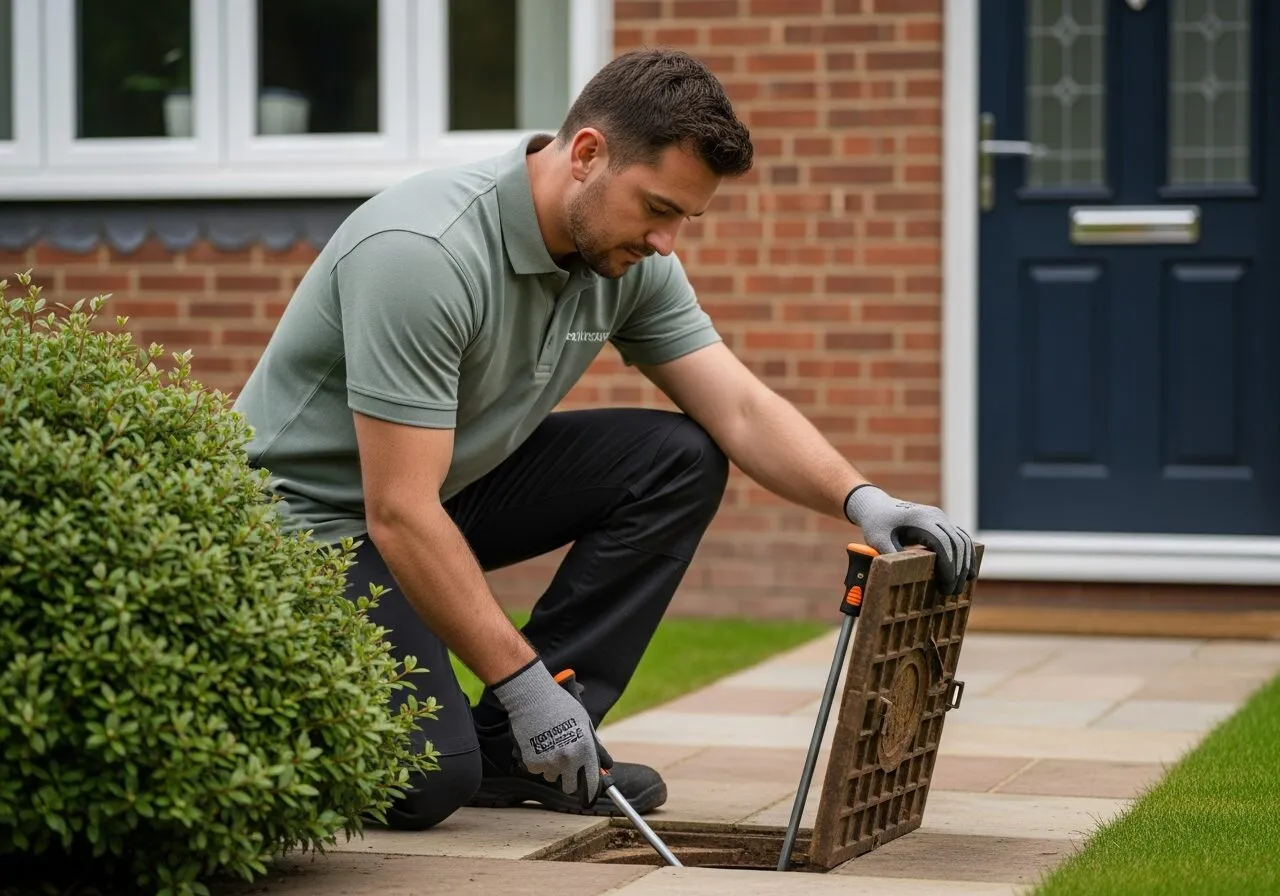
A drainage engineer feeds a small camera through the drain or sewer line from an access point such as a manhole or inspection chamber. The live video shows the condition of the pipe, the direction of flow and the exact position of any defect or blockage.
In many cases, the line is cleaned first so the camera can see the pipe wall clearly. The survey is then recorded and usually matched with notes identifying the location, depth and severity of any issues found.
For homeowners, the main advantage is clarity. Instead of guessing whether the problem is a build-up, a broken section, root ingress or a poor previous repair, you get visual evidence that can be acted on properly.
What a camera can find, and what it cannot
A good survey can reveal cracks, displaced joints, collapsed sections, root ingress, scale build-up, standing water, poor drain falls and debris restricting flow. It is also useful for tracing repeated blockages to the same section of pipe rather than clearing symptoms again and again.
London and Surrey homes often bring a few recurring issues. Period properties may have ageing clay pipes that shift or crack over time, while terraced houses and conversions can have altered drainage layouts that are not obvious from above ground.
A camera does not fix the problem by itself. It also has limits: if a line is fully blocked, heavily silted or inaccessible, cleaning or further investigation may be needed before a proper survey can be completed.
- Likely findings include cracks, fractures and open joints
- Root ingress is common where older drains run near mature shrubs or trees
- Scale, fat and debris can narrow pipes and cause recurring slow drainage
- Standing water can suggest poor installation or movement in the pipe run
- A survey may not tell you everything if access points are limited or the drain is completely obstructed
When a survey is worth having, and when it is not
A CCTV survey is usually worth considering if you have repeat blockages, unexplained foul smells, water backing up at low-level fittings, damp ground above a drain run, or evidence that previous unblocking has not solved the issue. It is also sensible where there is concern about damage after building work, ground movement or tree root intrusion.
It is often unnecessary for a one-off minor blockage affecting a single sink, basin or shower waste. In those cases, the fault is commonly local to the trap or short waste run rather than the underground drain, and simple checks may solve it without specialist investigation.
Homeowners can safely start with basic steps: clear accessible waste traps, check outside gullies for leaves and silt, and note whether the issue affects one outlet or several. If multiple fittings are slow or backing up, or if sewage smells are present indoors or outdoors, that points more strongly to a drain problem and it is time to call a professional.
Home-buyer drain surveys for London and Surrey properties
A home-buyer drain survey can be useful, but it is not essential for every purchase. It tends to make most sense where you are buying an older property, a house with signs of previous drainage trouble, a home near large trees, or a terrace or flat conversion where drainage responsibilities and pipe routes may be less straightforward.
In London and Surrey, buyers often face older housing stock, rear extensions built over time and small gardens where access chambers may be hidden or altered. A survey can help show whether the drainage system has defects, patch repairs or layout changes that may need attention later.
It is best used as part of a wider picture rather than a pass-or-fail test. Even if defects are found, the key question is their seriousness: some issues need prompt repair, while others may simply need monitoring and routine maintenance.
How to read the report you are given
A useful report should do more than attach still images. It should explain where the camera inspected, what defects were found, how severe they appear to be, and what action is recommended next.
Look for plain answers to practical questions. Is the defect structural or just a build-up. Is the problem isolated to one section or affecting the whole run. Does it need urgent repair, further cleaning, monitoring or no action at present.
If the report refers to root ingress, displaced joints, fractures or standing water, ask what that means in real terms for your property. A good explanation should connect the finding to likely symptoms, risk of recurrence and the most sensible next step rather than pushing work you may not need.
- Check that the report identifies the inspected drain runs and access points
- Make sure recommendations are prioritised, not just listed
- Ask for defects to be explained in plain English
- Keep the report if you are buying, selling or planning building work
- If anything is unclear, ask whether the issue needs repair now or monitoring over time
Practical steps before and after a survey
Before booking, gather a short history of the problem: when it happens, which fixtures are affected, whether it is worse after rain, and whether any previous unblocking has been done. That information helps narrow down whether the fault is likely to be a local waste issue, a shared drain issue or a defect in the underground line.
Think about access as well. In London and Surrey, on-street parking restrictions, side-return layouts, basement levels and small rear gardens can all affect how easily engineers can reach chambers and equipment, so it helps to mention these in advance.
If you need professional help, CS Services welcomes drainage enquiries ahead of launch. Drainage work is advertised as coming soon, with transparent published rates from £150 per hour, no call-out fee, a 1-hour minimum charge, and the price agreed before work begins.
Key Takeaways
- A CCTV drain survey is best for recurring, hidden or unclear drainage problems.
- It can show cracks, root ingress, displaced joints, blockages and standing water.
- A one-off slow sink often needs simple checks before a full survey.
- Home-buyer surveys are most useful for older, altered or higher-risk properties.
- A good report should explain severity, location and the next sensible step.
Frequently Asked Questions
Do I need a CCTV drain survey for one blocked sink?
Usually not at first. A single blocked sink is often caused by a local issue in the trap or short waste pipe. If simple checks do not solve it, or the problem keeps returning, a professional may then recommend further investigation.
Can a CCTV survey detect tree roots in drains?
Yes, if roots have entered the pipe, the camera will usually show the point of ingress and the extent of the obstruction. This is particularly relevant around older properties and gardens with established planting.
Is a drain survey worth it when buying a house?
It can be, especially for older homes, period terraces, flat conversions or properties with signs of previous drainage issues. It gives a clearer picture of hidden defects, but findings still need to be interpreted sensibly rather than treated as automatic deal-breakers.
What should I do before calling a professional about a suspected drain problem?
Check whether the issue affects one outlet or several, clear any accessible waste traps, and inspect outside gullies if you can do so safely. Note any foul odours, backing-up water or damp patches outside, as these details help identify whether the problem is likely to be in the underground drain.
Can a camera survey fix the problem as well as diagnose it?
No. The survey shows the condition of the drain and helps identify the right remedy, but separate cleaning or repair work may still be needed depending on what is found.