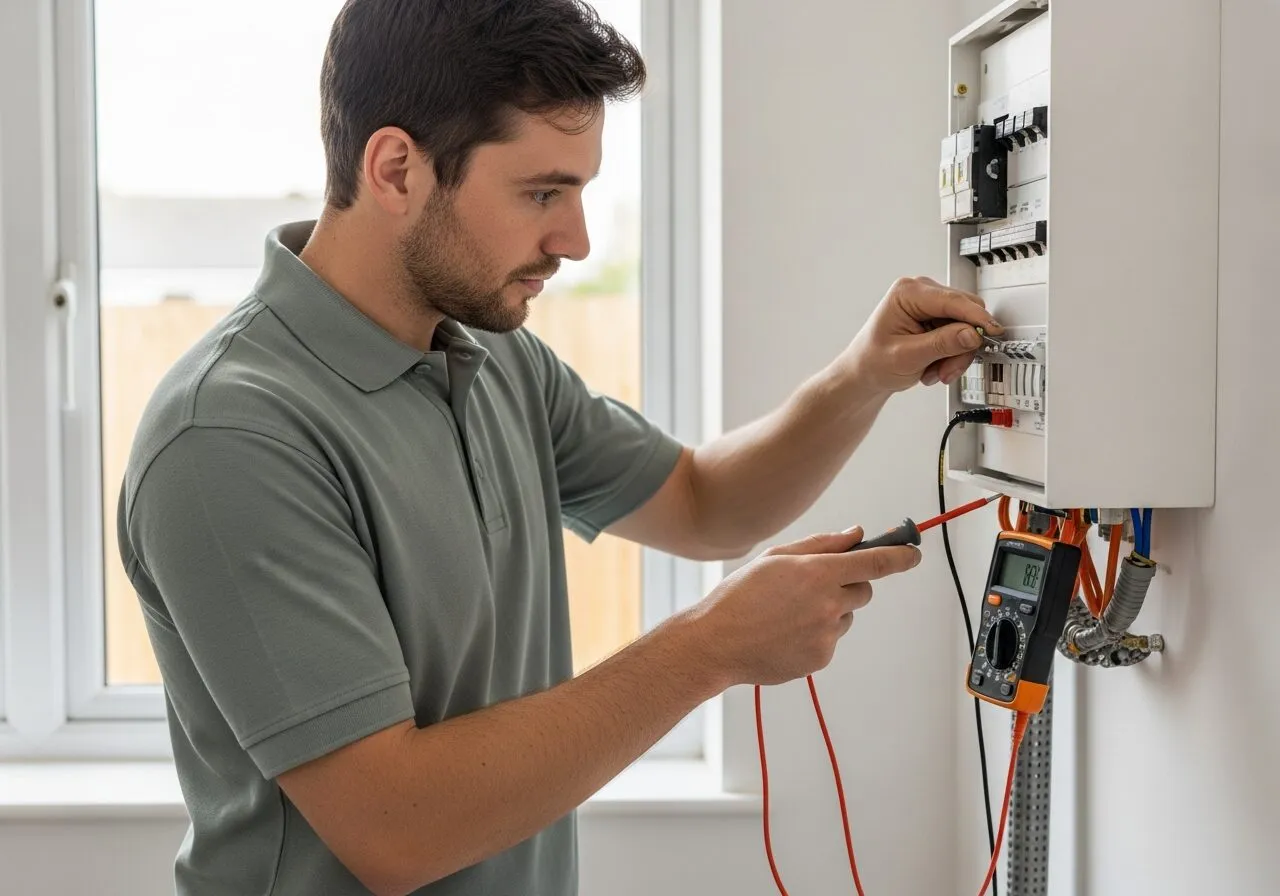
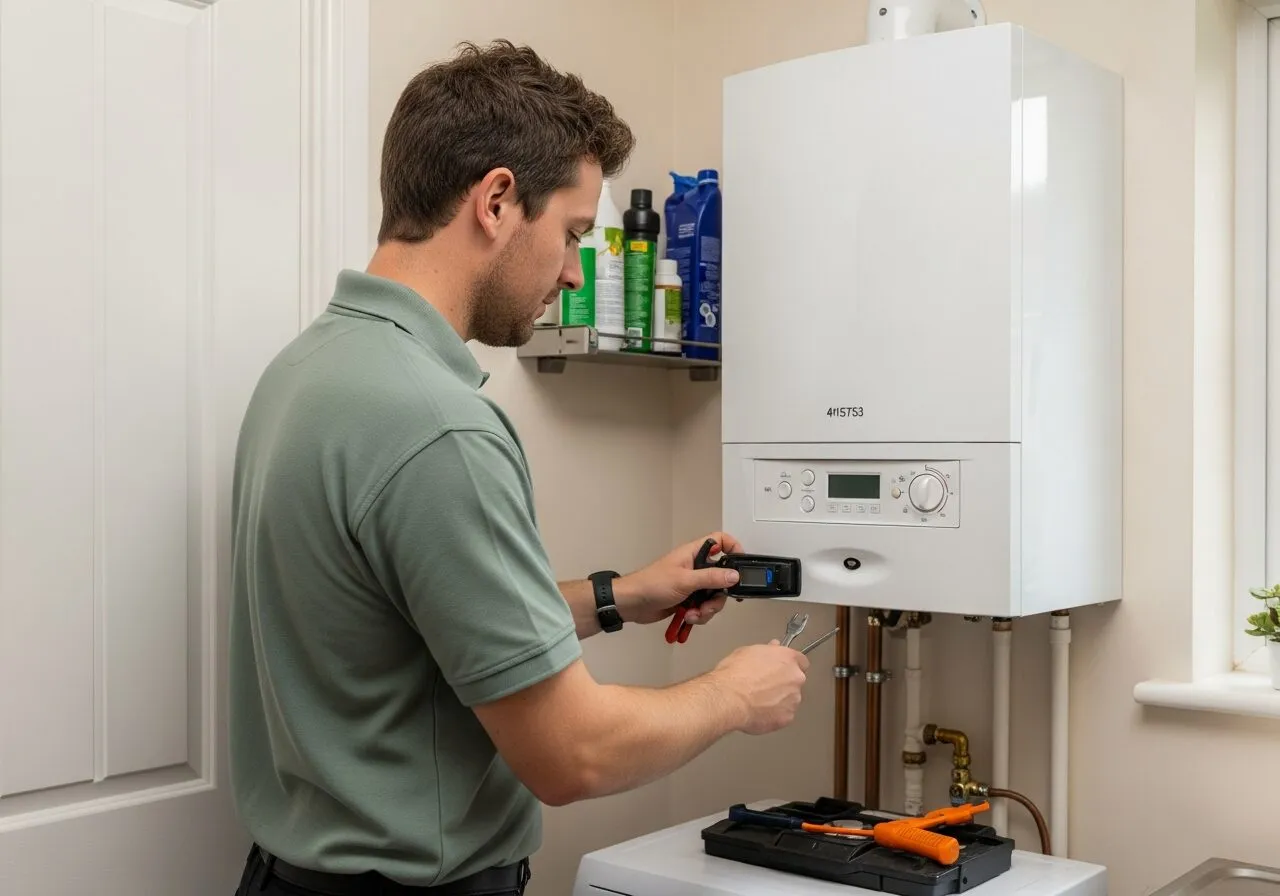
Older homes across London and Surrey often have heating systems that have grown in stages: a newer boiler, older radiators, mixed pipework and rooms that warm up at very different speeds. In that setting, a smart thermostat can be useful, but only if it fits the system and solves the right problem.
This is not really about gadgets. For most period-property owners, the better question is whether improved control will cut waste and make the house more comfortable, or whether draughts, poor balancing, sludge, limescale or an awkward layout are the bigger issue.
If you are weighing up a smart control upgrade, start with how the house behaves now. That will tell you far more than any app feature list.
What smart controls actually save
A smart thermostat can reduce wasted heating time. That usually means lowering output when the house is empty, avoiding unnecessary overnight heating, and making it easier to heat the home to a pattern that matches real life rather than a fixed timer you rarely adjust.
In an older home, that saving is often modest unless your current controls are basic or badly used. If the house loses heat quickly through draughts, single glazing, suspended floors or poorly insulated loft areas, better scheduling helps, but it does not change the underlying heat loss.
The biggest practical gain is often convenience and consistency. If you already forget to turn heating down when you leave, or you regularly overheat one part of the house to warm another, a smarter control setup may help. If the system is already well-zoned and sensibly programmed, the difference may be smaller.
- Worth considering if your current programmer is outdated or hard to use
- Less likely to transform running costs if the home has major draught or insulation issues
- Most useful where occupancy changes day to day, such as commuting, school runs or part-time home working
- Better control cannot compensate for radiators that are undersized, airlocked or poorly balanced
Check compatibility with your existing heating system first
Before buying anything, find out what controls and boiler you already have. Older London and Surrey properties may have conventional boilers with hot water cylinders, combi boilers fitted later, gravity-fed hot water arrangements, or a mix of old wiring and newer components. Not every smart thermostat is suitable for every setup.
The key issue is not the age of the house but the design of the heating system. Some systems accept a straightforward thermostat swap. Others need extra wiring, receiver units, upgraded valves or a different approach to controlling heating and hot water separately.
Hard water is also relevant locally. In parts of London and Surrey, limescale can affect system efficiency over time, especially in combi boilers and hot water components. If the system already struggles to deliver reliable heat or hot water, sort that first rather than expecting controls to mask it.
- Check whether you have a combi boiler or a boiler with a separate hot water cylinder
- Look at whether heating and hot water are currently controlled together or separately
- Note any existing programmer, wired room thermostat and thermostatic radiator valves
- Watch for signs of system problems such as banging, slow warm-up, cold spots on radiators or frequent pressure loss
Can you zone a period house effectively?
Zoning is where smart controls can make more sense in an older property, especially one with rooms that are used very differently. Many Victorian and Edwardian houses have formal front rooms used occasionally, rear kitchen areas used daily, loft conversions that overheat, and cooler north-facing bedrooms. Treating all of that as one temperature zone is rarely ideal.
That said, zoning works best when the pipework and radiator layout allow it. In some terraced houses and flat conversions, there is limited access to run new cabling or alter valves neatly. In others, adding smart radiator valves room by room can help, but only if the main thermostat is placed sensibly and the system remains hydraulically balanced.
Do not assume more zones always mean better results. Too many overlapping controls can make fault-finding harder and lead to rooms competing with each other for heat. A simpler arrangement that separates living space from bedrooms, or upstairs from downstairs, is often more practical.
- Prioritise rooms with very different occupancy patterns
- Be cautious in converted flats where control over shared pipe runs may be limited
- In narrow terraced homes, hall thermostat position matters because draughty circulation areas can mislead the system
- If you already have thermostatic radiator valves, check that they work properly before upgrading controls around them
Installation realities in older London and Surrey homes
Installation in a period property is rarely just a box swap. Thick walls can affect wireless signal, old back boxes and legacy wiring can limit where controls can go, and decorative finishes may influence whether you want chasing or surface-mounted solutions. In converted properties, access to communal areas, meter cupboards or awkward service voids can also complicate the job.
Practical access matters too. On-street parking restrictions, narrow staircases, fitted cupboards around boilers and limited loft space can all add time to a heating job. If your boiler is in a kitchen corner, bedroom cupboard or loft, mention that when asking for advice so the work can be planned properly.
CS Services is advertising heating as coming soon, and enquiries are welcome ahead of launch. When heating work begins, it will be carried out by Gas Safe registered engineers, with transparent pricing agreed before work starts. Heating work is charged from £140 per hour, with a 1-hour minimum and time billed in 15-minute increments after that. Annual boiler servicing is a fixed price of £130 ex VAT.
What you can check yourself, and when to call a professional
You can do some useful checks before paying for any upgrade. Make a note of which rooms are consistently too hot or too cold, whether the boiler fires when you expect it to, and whether radiators heat evenly from top to bottom. Also check if your existing thermostat is in a poor position, such as near a draughty front door, in direct sun or above a radiator.
You should also look at how you actually use the house. If only part of the property is occupied during the day, zoning may help. If the whole house feels cold quickly after the heating goes off, the issue may be fabric heat loss rather than poor controls.
Call a professional if there are signs of deeper system issues, or if you are unsure how the current controls are wired. A smart thermostat should be the finishing layer on a sound heating system, not the first attempt to fix one that already has faults.
- Safe homeowner checks: review timer settings, replace thermostat batteries if fitted, test radiator valves gently, and note recurring patterns
- Call a professional for wiring changes, boiler control compatibility, recurring pressure loss, suspected sludge, motorised valve faults or unreliable hot water control
- If your home is a flat conversion or listed property, mention any access or alteration constraints early
Key Takeaways
- Smart thermostats save most when they reduce wasted heating time, not when they try to overcome heat loss.
- Compatibility depends on the heating system design, not simply the age of the house.
- Zoning can work well in period homes, but only if the layout and pipework support it.
- Older properties often need system faults or balancing issues addressed before new controls will help.
- A professional assessment is sensible where wiring, valves or boiler controls are unclear.
Frequently Asked Questions
Will a smart thermostat cut my heating bills in a Victorian or Edwardian house?
Possibly, but mainly by reducing unnecessary heating hours and improving day-to-day control. If the home has significant draughts or insulation issues, the effect may be limited until those are addressed.
Can I fit a smart thermostat to an older boiler?
Sometimes, yes. The important question is whether the existing boiler and control setup are compatible. Older systems with cylinders, separate hot water controls or legacy wiring often need a proper check before any upgrade.
Are smart radiator valves enough on their own?
Not always. They can help with room-by-room control, but they still need to work within a properly designed and balanced heating system. If the main thermostat is badly placed or the system has circulation problems, valve upgrades alone may disappoint.
What signs suggest I should fix the heating system before upgrading controls?
Cold spots on radiators, uneven heating between rooms, frequent boiler pressure loss, noisy pipework, unreliable hot water control and very slow warm-up times all point to underlying issues that should be checked first.
Is this something I can install myself?
Simple battery changes and schedule adjustments are fine for a homeowner. Anything involving boiler controls, wiring, receiver units or changes to heating and hot water control should be handled by a qualified professional.