Much of London and Surrey has hard water, which means a high mineral content, mainly calcium and magnesium. Those minerals are not usually a health concern, but they are a common plumbing issue because they form limescale inside appliances, pipework and fittings.
In many local homes, especially older terraces, conversions and period properties, hard water adds pressure to systems that may already have ageing pipework or limited access to key plumbing runs. The result is often gradual rather than dramatic: slower flow, noisier hot water equipment, reduced efficiency and more frequent faults.
If you know where scale tends to build up and what the early warning signs look like, you can usually act before it turns into a more disruptive repair.
Why water is so hard across London and Surrey
The South East draws much of its water from chalk and limestone aquifers. As water moves through those rock layers, it picks up dissolved minerals, which is why homes across London and Surrey typically see more limescale than softer-water areas.
That local geology affects nearly every property type, from Victorian terraces and mansion flats to newer estates. In older housing stock, hard water can be harder on plumbing because systems may already contain worn valves, older cylinders, narrow-bore pipework or fittings that have seen years of mineral build-up.
Where limescale does the most damage
Limescale causes the most trouble where water is heated or where it passes through narrow openings. That means kettles and shower heads show the problem first, but the more important damage is often hidden inside taps, valves, toilets, hot water systems and appliances.
In plumbing systems, scale can restrict moving parts and reduce internal diameter over time. It can also make heating components work harder, which affects performance and can shorten the life of parts.
- Taps and shower heads: reduced flow, uneven spray patterns and white crusting around outlets.
- Toilet fill valves and flush mechanisms: slower filling, sticking parts and intermittent running water.
- Shower valves and cartridges: stiff controls, poor temperature stability and reduced performance.
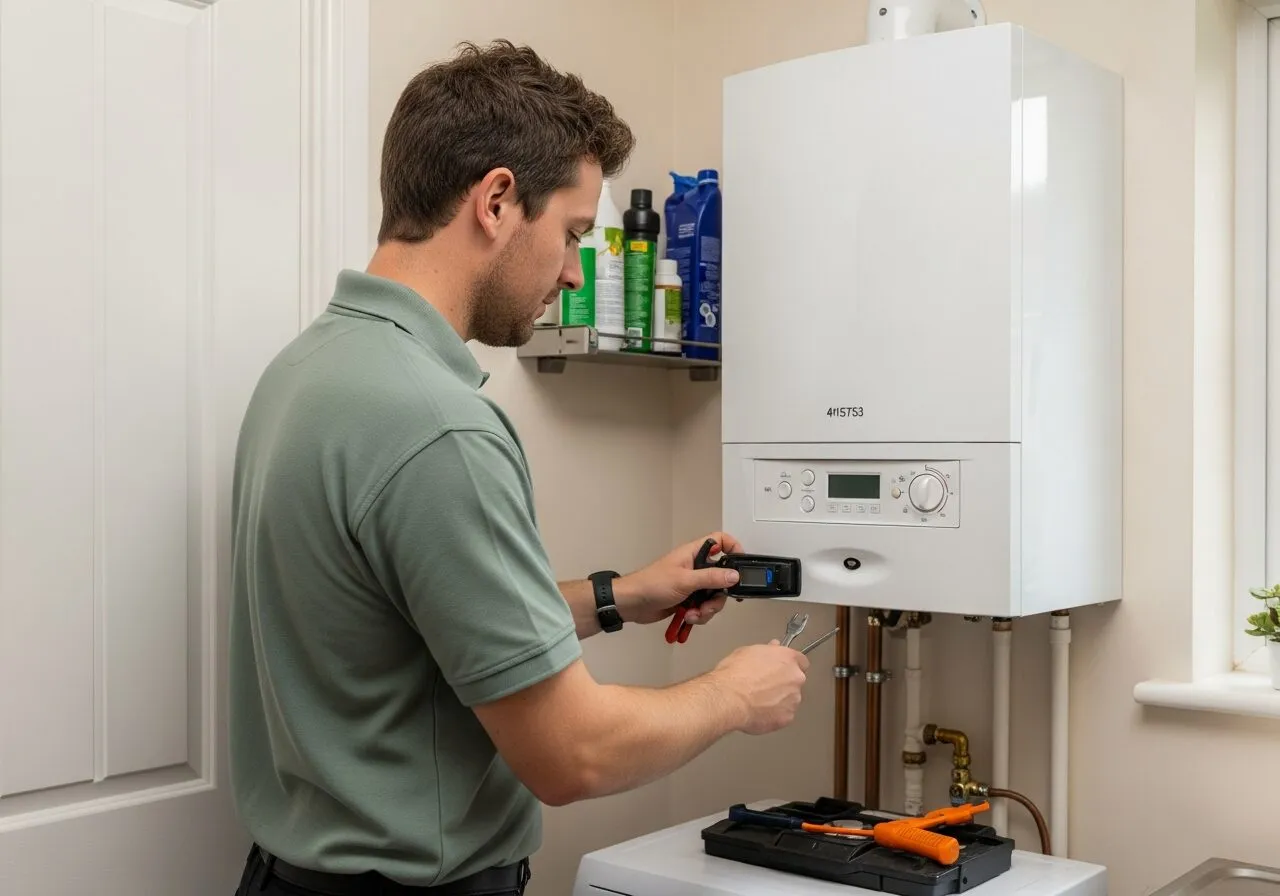
- Hot water cylinders and boilers: reduced efficiency, noise during heating and greater strain on components.
- Washing machines and dishwashers: heavier internal scale build-up and shorter component life.
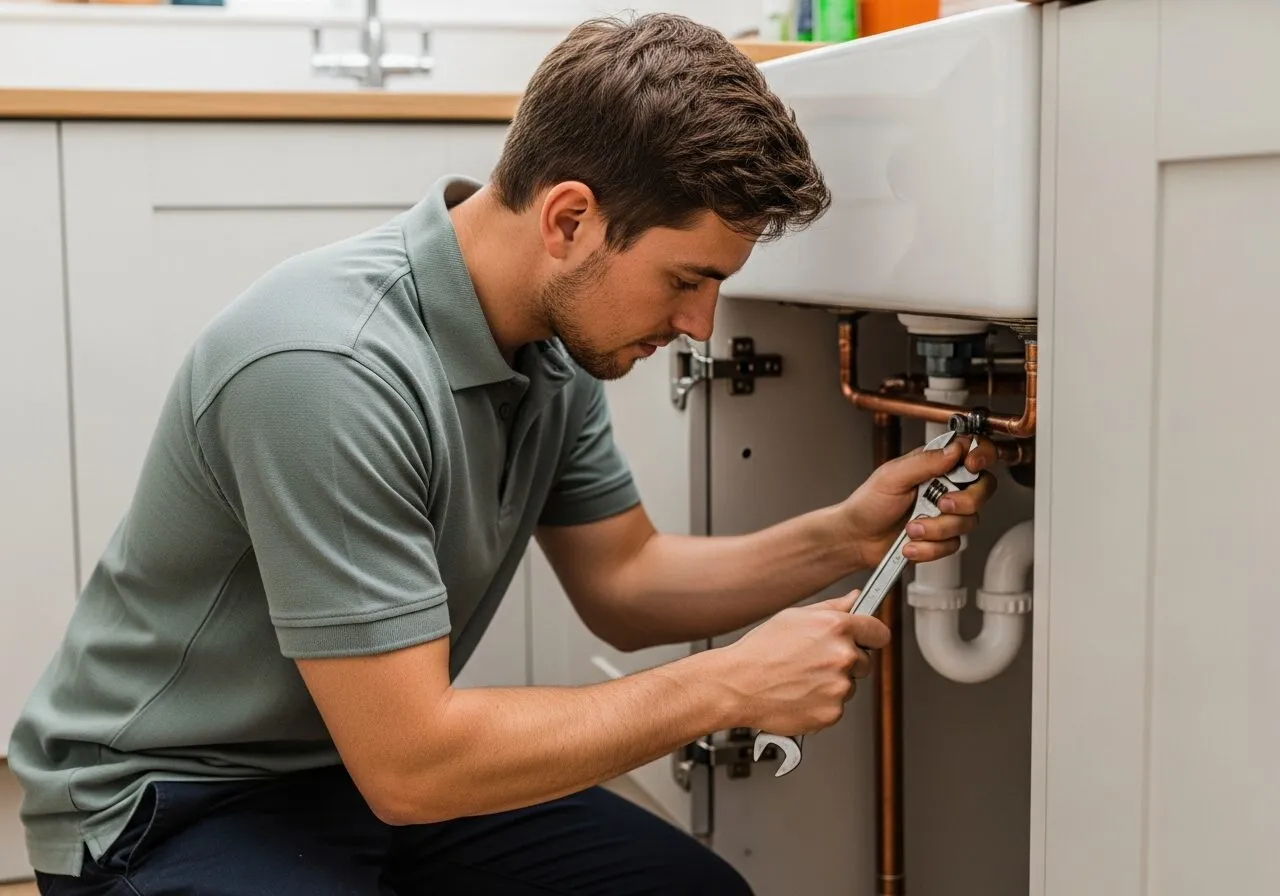
- Pipework and isolation valves: gradual restriction, especially where older sections or smaller bores are already in place.
Descaling removes build-up, but protection helps prevent repeat problems
Descaling and protection are not the same thing. Descaling removes existing mineral deposits from fittings or components, while protection aims to reduce future build-up. In practice, many homes need both: deal with the scale that is already there, then consider how to limit the rate at which it returns.
A homeowner can often descale removable items safely, such as shower heads, tap aerators and kettle elements, using suitable descaling products and the manufacturer guidance. What you should not do is dismantle valves, force seized fittings or introduce chemicals into parts of the plumbing system without knowing how they will affect seals, finishes or appliance warranties.
If you are considering a longer-term prevention measure, the right option depends on the property and the system layout. In flats and conversions, available space, shared services and access to the incoming main all matter, so it is worth getting advice before choosing a solution.
Signs limescale is already costing you
Some signs are obvious, such as white deposits around taps or a shower head that sprays in all directions. Others are easier to miss because they develop slowly and get written off as normal ageing.
If hot water takes longer, controls feel stiffer, flow has dropped or a toilet has become temperamental, scale may be affecting the system. In hard water areas, those issues are common enough that they should not be ignored.
- Shower pressure or spray quality has gradually worsened.
- Taps are harder to turn or do not run as smoothly as they used to.
- Hot water equipment has become noisier during operation.
- Toilets take longer to refill or continue running after flushing.
- You are cleaning white residue from sanitaryware and glass more often.
- Appliances that use water seem less effective or are needing attention more often.
What you can do yourself and when to call a plumber
There are sensible maintenance jobs most homeowners can do themselves. Regularly cleaning shower heads, tap aerators and visible deposits helps preserve flow and can stop minor scaling from becoming a bigger obstruction. Checking for early changes in pressure, refill times and hot water performance is also useful because it gives a clearer picture of whether a fault is local to one fitting or affecting the wider system.
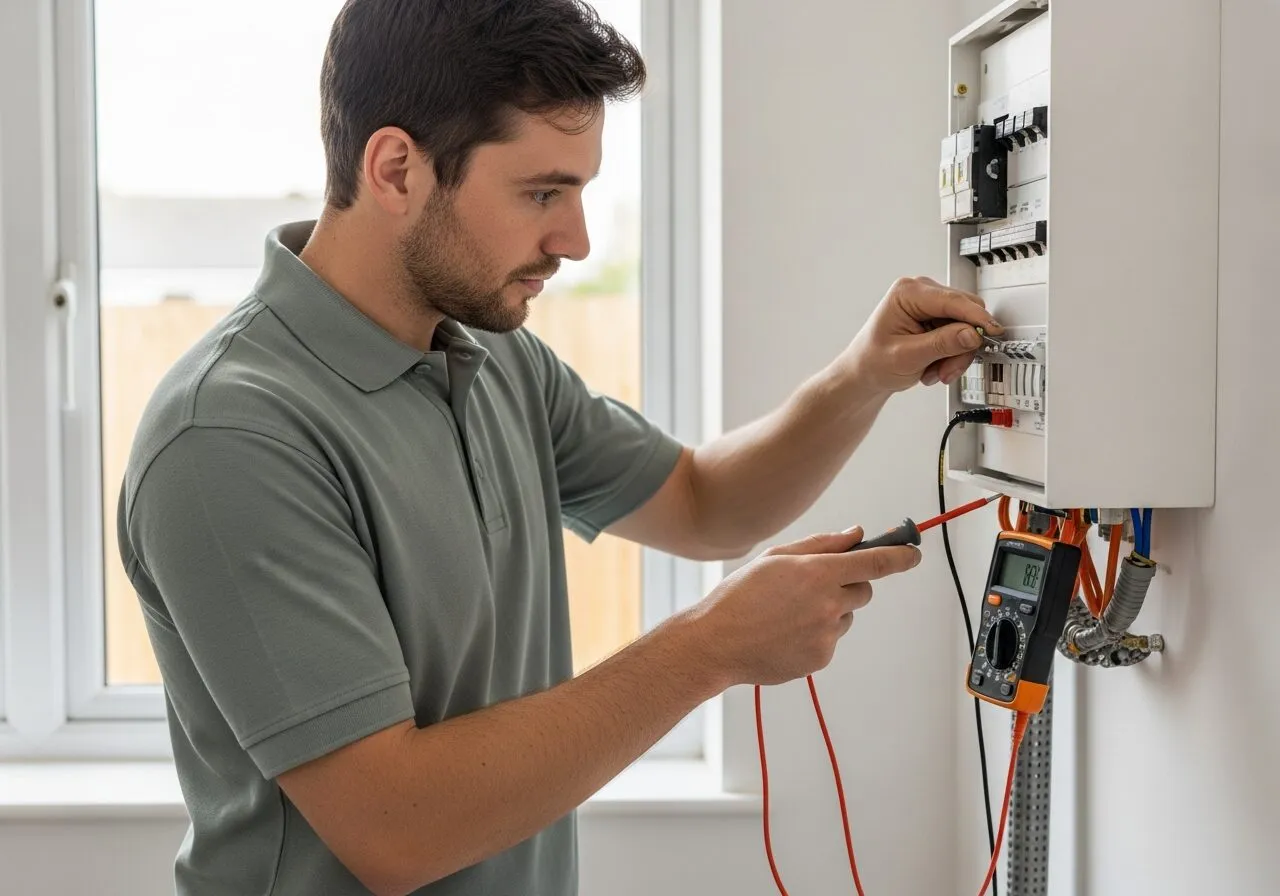
Call a professional when the problem involves hidden pipework, persistent low flow, leaking fittings after attempted cleaning, faulty valves, hot water performance issues or repeated scaling in the same place. That is especially relevant in London and Surrey homes where access may be tight, pipe routes may have been altered over the years, and on-street access or flat layouts can make even simple jobs less straightforward if left too long.
CS Services can help with plumbing issues linked to hard water, including identifying whether the problem is a simple local blockage or something more system-wide. Plumbing is available to book now across London and Surrey, with no call-out fee, transparent pricing from £140 per hour, and the price agreed before work begins.
Key Takeaways
- Hard water in London and Surrey commonly leads to limescale in plumbing systems.
- The biggest issues usually develop where water is heated or passes through small openings.
- Descaling removes existing build-up, but prevention and system-appropriate protection matter too.
- Early signs include poor flow, stiff controls, noisy hot water equipment and slow toilet refills.
- Clean removable fittings yourself, but get professional help for persistent or system-wide problems.
Frequently Asked Questions
Is hard water bad for your health
Hard water is not usually considered a health problem. The main issue for homeowners is its effect on plumbing, hot water systems, appliances and cleaning time.
Can limescale really reduce water pressure
Yes. Scale can narrow outlets such as tap aerators and shower heads, and over time it can also affect valves and internal passages. That can lead to reduced flow and poorer performance.
Should I descale taps and shower heads myself
If the parts are designed to be removed and cleaned, many homeowners can do that safely using suitable descaling products and the manufacturer instructions. Avoid forcing seized parts or dismantling valves if you are unsure.
How do I know if the problem is scale or a plumbing fault
Visible white deposits, uneven spray patterns and gradual loss of flow often point to limescale. If several outlets are affected, hot water performance has changed, or there are leaks or persistent faults, it is worth having the system checked.
Can hard water cause problems faster in older London and Surrey homes
It often can. Period properties, older terraces and flat conversions may have ageing components, altered pipe runs or tighter access, which can make limescale-related issues more noticeable and more awkward to resolve if left.