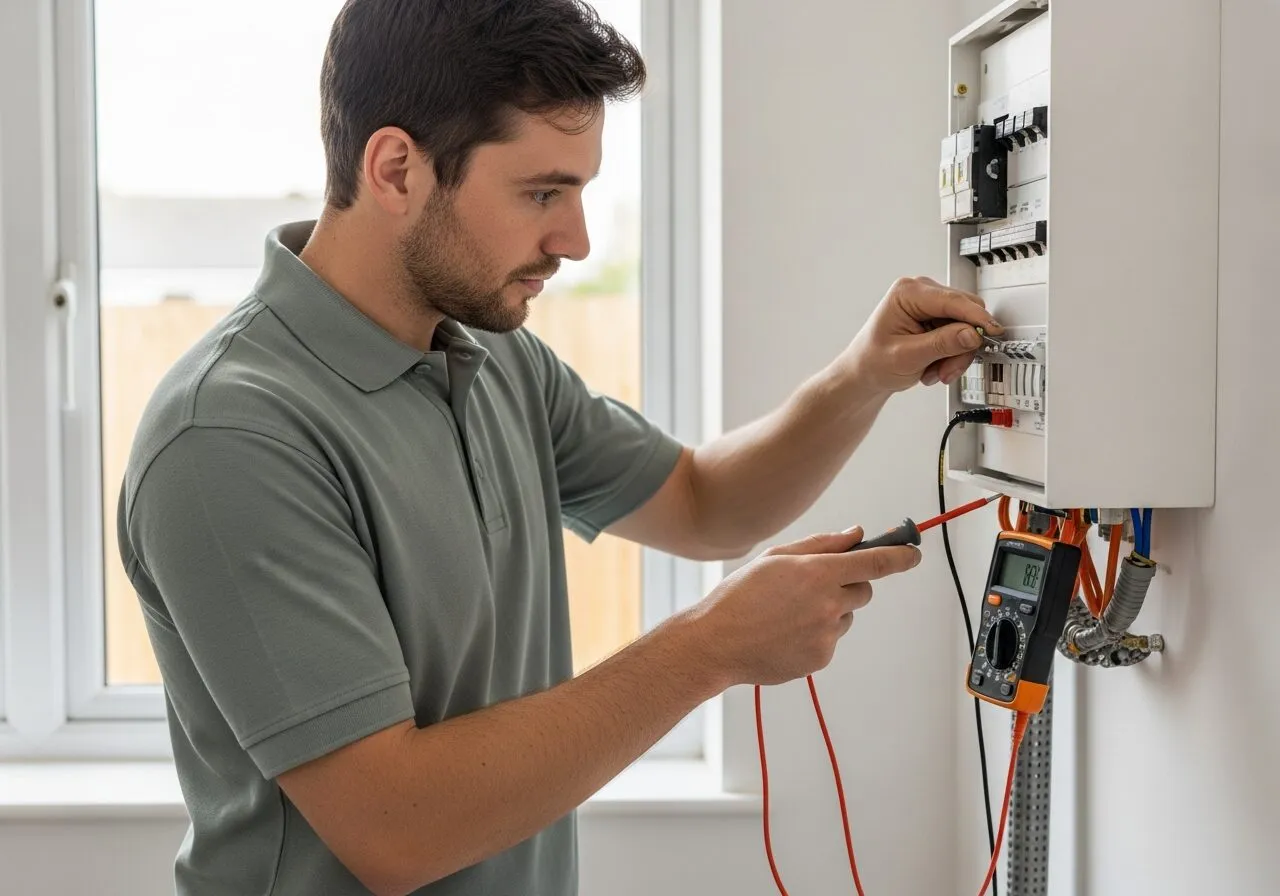
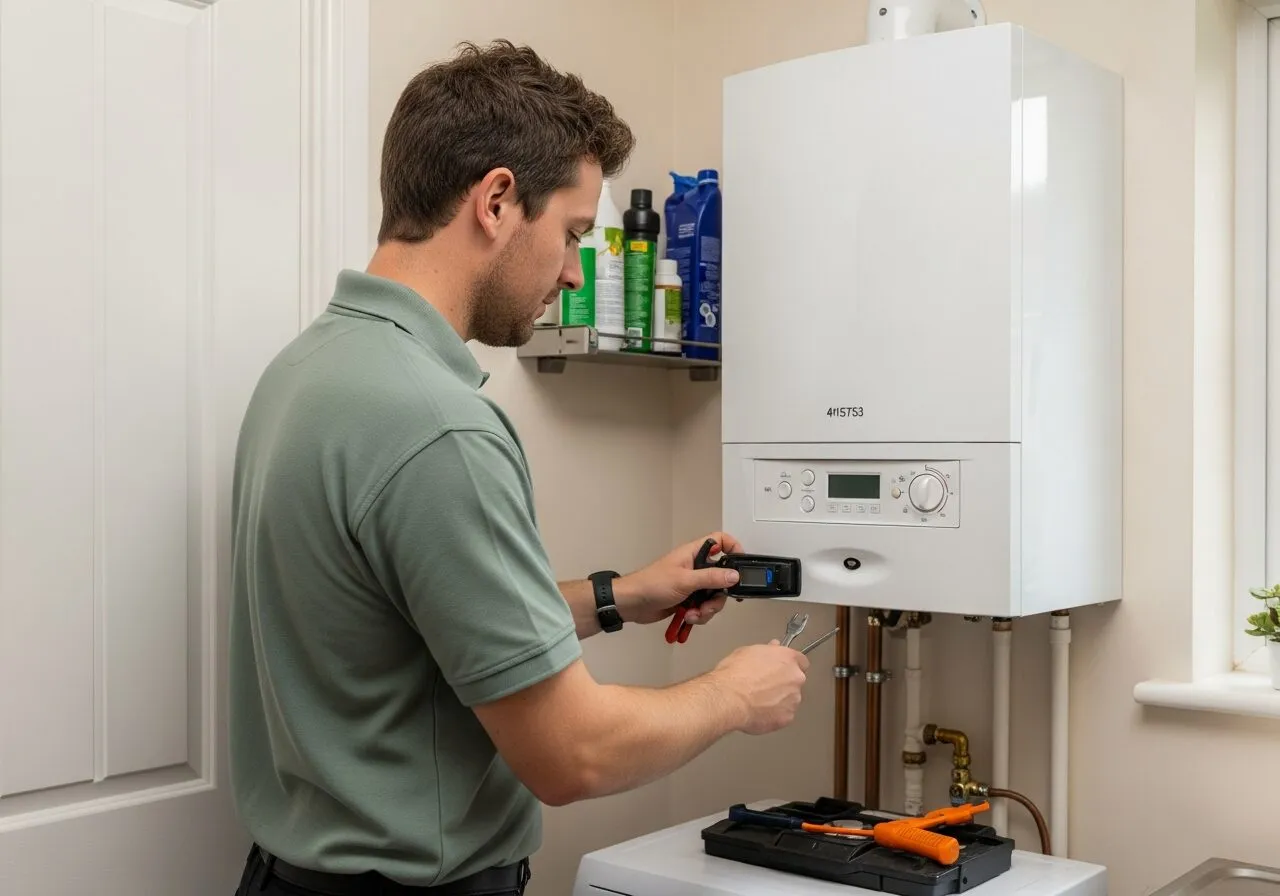
Gas appliances can work quietly in the background for years, which is exactly why faults are often missed until they become serious. A proper gas safety check reduces the risk of leaks, poor combustion and carbon monoxide exposure, and it matters just as much in a family home as it does in a rental property.
For households in London and Surrey, the detail matters. Period houses, converted flats, boxed-in boilers, tight kitchen layouts and limited access can all make servicing and safety checks more awkward, which is one reason small issues are sometimes left too long.
This guide explains who needs what certificate, what a gas safety check actually includes, why carbon monoxide is such a serious risk, and how to choose the right engineer. It also covers the warning signs homeowners can look out for and when to stop using an appliance and call a professional.
Who needs a certificate and who needs a service
Landlords with gas appliances in a rented property need an annual gas safety check carried out by a Gas Safe registered engineer. The result is the landlord gas safety record, commonly called a CP12. That is a legal requirement for rented homes and it applies whether the property is a flat conversion in London, a terraced house in Surrey or a larger family house.
Homeowners do not need a CP12 for their own home, but they should still have gas appliances checked and serviced regularly. In practice, many people only think about the boiler when heating or hot water starts to fail, but waiting for a breakdown can mean a fault has had longer to develop.
It is also important not to confuse a gas safety check with an annual boiler service. A safety check is about confirming that appliances and associated flues are operating safely. An annual boiler service is a more detailed maintenance visit for the boiler itself, and at CS Services that is a fixed price of £130 ex VAT rather than an hourly charge.
- Landlords: annual gas safety check and CP12 required for rented properties
- Homeowners: no CP12 required for owner-occupied homes, but regular checks and servicing are still sensible
- Boiler service and gas safety check are related but not the same thing
What a gas safety check covers
A proper gas safety check looks at whether appliances are safe to use, whether they are correctly set up, and whether dangerous fumes can escape. The engineer will check key safety points such as gas tightness, ventilation, burner operation and the condition of the flue.
In older London and Surrey housing stock, flue routes and ventilation arrangements are not always straightforward. A boiler may be boxed into a kitchen unit, installed in a narrow cupboard or connected through altered building fabric in a loft conversion or rear extension. Those changes can affect access, airflow and flue safety, which is why checks need to be carried out carefully rather than treated as a quick formality.
If you live in a converted flat, it is also worth understanding which parts of the installation serve only your home and which pass through communal or shared areas. Access arrangements, meter locations and flue terminals can all complicate safety work, especially where parking is limited or entry needs to be coordinated in advance.
- Gas tightness and any sign of leaks
- Safe burner operation and correct pressure
- Adequate ventilation for the appliance
- Flue condition, routing and safe discharge of combustion gases
- Whether safety devices appear to be working properly
- Whether the appliance is safe to keep using
Carbon monoxide: the silent risk
Carbon monoxide is dangerous because you cannot see it, smell it or taste it. It is produced when fuel does not burn properly, and exposure can cause headaches, dizziness, nausea, breathlessness, confusion and, in severe cases, death. Symptoms are easy to mistake for a virus or tiredness, especially in winter when windows stay shut and people spend longer indoors.
Homes with ageing appliances, blocked or damaged flues, poor ventilation or neglected maintenance are at greater risk. That can be relevant in older terraces, basement kitchens, compact boiler cupboards and some flat conversions where later building work has changed the original layout.
A working carbon monoxide alarm is essential, but it is not a substitute for proper inspection and servicing. If an alarm sounds, or if you suspect carbon monoxide because several people in the property feel unwell at the same time, stop using the appliance, open windows, leave the area and seek professional help immediately.
- Install a carbon monoxide alarm in the correct location for the appliance
- Test the alarm regularly and replace batteries where applicable
- Never block vents or air bricks
- Do not ignore soot marks, staining or unusual condensation around an appliance
- Take repeated pilot light failures or burner changes seriously
What you can check yourself and when to call a professional
Homeowners and landlords can do some useful first-line checks, but they should stay within safe limits. You can look for obvious signs that something has changed, make sure vents are clear, keep the area around the boiler accessible and listen for unusual noises. You can also keep an eye on radiator performance and heating pressure, although those are not direct substitutes for a gas safety inspection.
There are some local practicalities worth bearing in mind. Hard water in many parts of London and Surrey can contribute to limescale in heating systems, which may increase strain on a boiler over time. Tight service cupboards, loft conversions and narrow side returns can make access harder, so do not leave storage piled around the boiler or meter.
Call a Gas Safe registered engineer if you smell gas, notice black marks or scorching around an appliance, see a lazy yellow flame where it should be blue, or find that the boiler keeps locking out. You should also get professional help if a tenant reports headaches linked to appliance use, if a flue terminal looks damaged, or if building work has altered the room or enclosure around a boiler.
- Safe checks you can do: keep vents clear, maintain access, watch for staining, test carbon monoxide alarms
- Do not do it yourself: remove boiler casings, alter flues, cap pipes, adjust gas settings or attempt repairs
- Call promptly if there is a gas smell, repeated shutdowns, unusual combustion signs or concerns after renovation work
Choosing a Gas Safe engineer
Always use a Gas Safe registered engineer for gas work. Registration matters because it confirms the engineer is legally qualified to carry out gas work and is authorised for the type of appliance involved. That is the first check, not an optional extra.
Ask what visit you are booking so expectations are clear from the start. If you need a landlord gas safety check, say that you need the CP12. If the boiler is due its annual maintenance, ask for a boiler service specifically rather than assuming both are automatically included in one visit.
CS Services accepts heating enquiries ahead of launch, and all gas and heating work is carried out by Gas Safe registered engineers. If you are arranging future work, it helps to mention the property type, appliance location, parking or access restrictions, and whether the home is tenanted, because those details often affect how smoothly the visit can be planned.
- Check the engineer is Gas Safe registered
- Confirm whether you need a CP12, a boiler service or both
- Mention access issues such as tenant availability, on-street parking, loft installations or boxed-in boilers
- Make sure the scope and price are agreed before work begins
Key Takeaways
- A CP12 is for rented properties, not owner-occupied homes.
- A gas safety check is not the same as a boiler service.
- Carbon monoxide risk should never be treated lightly.
- Older homes and flat conversions can make gas safety issues easier to miss.
- Only a Gas Safe registered engineer should carry out gas work.
Frequently Asked Questions
Is a CP12 the same as a boiler service?
No. A CP12 is the record issued after a landlord gas safety check for a rented property. A boiler service is a maintenance visit for the boiler itself. They may happen at the same time, but they are not the same thing.
Do homeowners legally need a gas safety certificate?
Owner-occupiers do not need a CP12 for their own home. Even so, regular gas safety checks and boiler servicing are strongly advisable to keep appliances working safely and to catch faults early.
What are the warning signs of a possible gas or carbon monoxide problem?
Warning signs can include unusual boiler shutdowns, soot or dark staining around an appliance, a yellow or unstable flame, excess condensation in the wrong place, headaches or nausea linked to appliance use, or a carbon monoxide alarm sounding. Any of these should be taken seriously.
Can I inspect my own boiler to save time?
You can do simple visual checks, such as keeping the area clear, checking vents are not blocked and looking for staining or damage. You should not remove the casing, alter settings or attempt any repair. Gas work must be carried out by a Gas Safe registered engineer.
Can CS Services help with gas safety and boiler servicing?
Yes. Heating is currently advertised as coming soon and enquiries are welcome ahead of launch. Gas and heating work is carried out by Gas Safe registered engineers, and annual boiler servicing is available at a fixed price of £130 ex VAT.